


Magnesium is one of the most-supplemented minerals in the world. Walk into any pharmacy and you'll find shelves of glycinate, citrate, oxide, threonate, malate, and a half-dozen other forms marketed for sleep, anxiety, cramps, headaches, and "stress." The marketing has outrun the evidence in places, but the underlying mineral is genuinely important, and a substantial number of people don't get enough of it from food. The question is whether you are one of them.
This is a guide to who actually benefits from magnesium supplementation, which form to take if you do, and which claims to ignore.
Why Magnesium Matters Physiologically
Magnesium is a cofactor for more than 300 enzymatic reactions in the human body. It is required for ATP to be biologically active (most cellular energy uses Mg-ATP rather than free ATP), for protein synthesis, for muscle contraction and relaxation, for nerve signal transmission, for blood glucose regulation, and for bone structure: about 60% of the body's magnesium is stored in bone.
The kidneys regulate magnesium tightly, and serum levels stay relatively stable across a wide range of intakes. This is why a standard blood test rarely reveals magnesium deficiency unless levels are severely depleted; the serum number can look fine while intracellular and bone stores are running low. This regulation also means that most healthy adults can tolerate variation in daily intake without obvious symptoms.
How Much You Actually Need
The recommended dietary allowance set by the US Institute of Medicine is 310 to 320 mg per day for adult women and 400 to 420 mg per day for adult men. Pregnancy raises the requirement to around 350–360 mg.
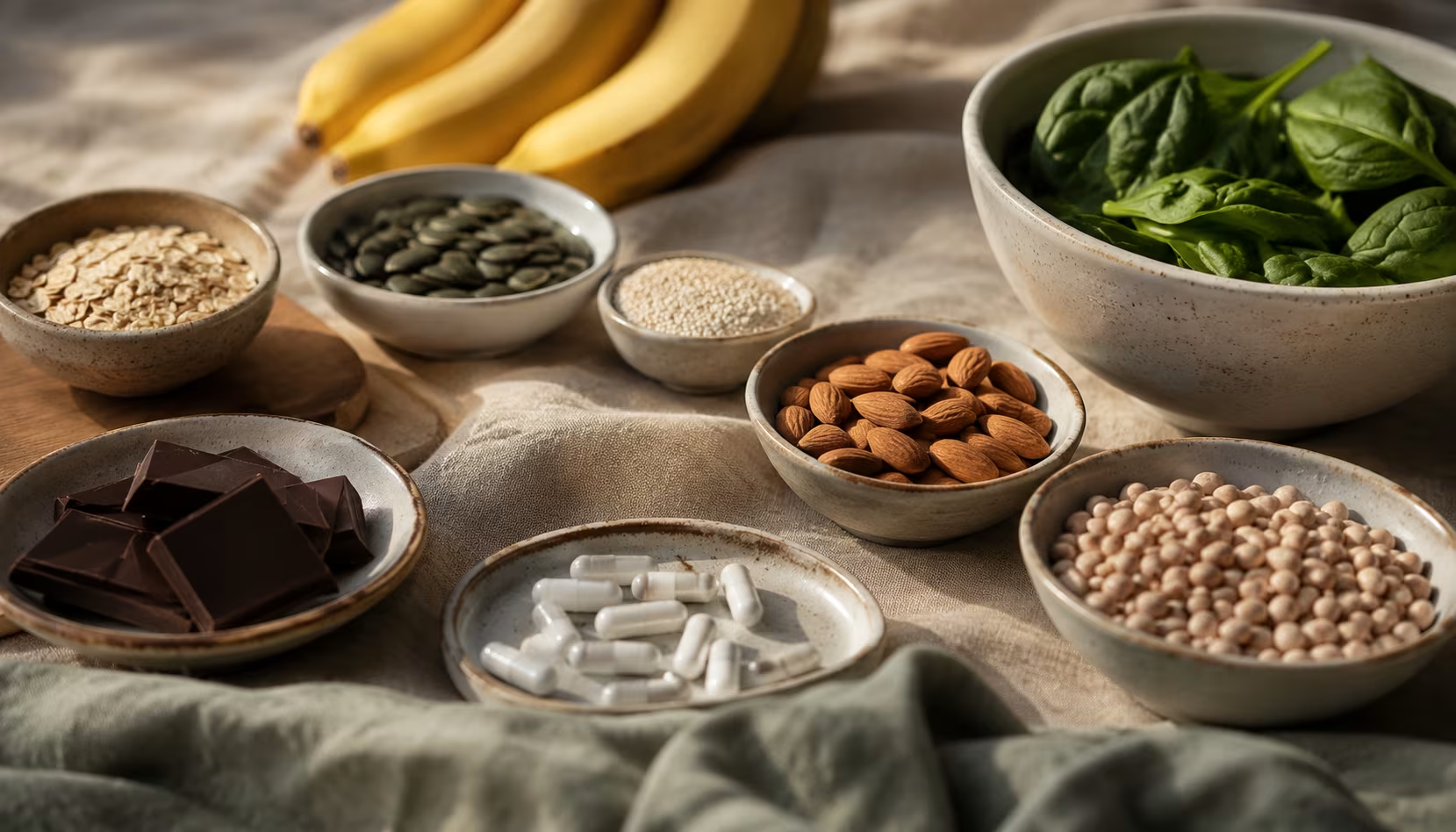
Surveys in the United States and parts of Europe consistently find that average intake is below the RDA: somewhere around 250–300 mg per day for most adults. This is not because magnesium is rare in food. It is because diets high in refined grains, processed meat, and packaged snacks are systematically lower in magnesium than diets built around whole grains, legumes, nuts, leafy greens, and seafood.
The tolerable upper limit from supplements is 350 mg per day for adults. Above that, the most common side effect is loose stools or diarrhea, which is dose- and form-dependent. Food sources are not subject to this upper limit because magnesium from food is absorbed and excreted more gradually.
How to Tell If You Are Low
Mild magnesium insufficiency rarely produces dramatic symptoms. The more common pattern is a vague cluster: poor sleep, occasional muscle twitches (especially around the eyes), tension in the shoulders or jaw, mild fatigue. None of these are specific. Iron deficiency, dehydration, undertraining, overtraining, anxiety, and poor sleep hygiene can all produce the same picture.
Frank magnesium deficiency is much rarer in healthy adults but can occur in people with chronic alcohol use, untreated celiac disease or other malabsorption, long-term proton pump inhibitor use, type 2 diabetes (which increases urinary loss), and intensive diuretic therapy. Symptoms can include muscle cramps, numbness, tremor, abnormal heart rhythms, and seizures in severe cases.
Standard blood tests (serum magnesium) miss most cases of mild insufficiency. Red blood cell magnesium gives a better picture of tissue stores and is the test to ask for if you suspect a problem. In practice, a more useful diagnostic is to take a careful look at your weekly food intake. If pumpkin seeds, almonds, spinach, beans, and whole grains are missing or rare, you almost certainly aren't hitting the RDA.
Magnesium for Sleep — What the Evidence Shows
This is the most popular claim and the one with the most mixed evidence.
Several small randomized trials in older adults with insomnia have shown modest improvements in sleep onset latency, total sleep time, and sleep quality with 500 mg of magnesium daily for 8 weeks. The effect size in those trials was meaningful but the populations were specific: adults over 60 with documented sleep problems, often with low baseline intake.
Trials in healthy young adults have been less consistent. A 2021 systematic review concluded the evidence for magnesium as a treatment for insomnia in the general population is "limited and of low quality."
The mechanism is plausible. Magnesium is a cofactor for the conversion of tryptophan to melatonin, modulates GABA receptors (the same target as benzodiazepines but much more weakly), and regulates the hypothalamic-pituitary-adrenal stress axis. People who are deficient may sleep noticeably better once stores are replenished. People who aren't deficient often report no change.
If you want to test it: take 200–400 mg of elemental magnesium glycinate in the evening for 4 weeks. If sleep improves, continue. If nothing changes, you weren't the one who needed it.
Magnesium for Muscle Cramps
The popular wisdom is that muscle cramps mean low magnesium. The actual data is weaker than the marketing.

A 2020 Cochrane review of magnesium for muscle cramps concluded that the evidence does not support its use for the general population of community-dwelling adults experiencing leg cramps. The review did identify a possible benefit in pregnant women, where smaller trials suggested a meaningful reduction in cramp frequency and severity.
For exercise-related cramps (the calf cramping at the end of a long run, the side cramp in the middle of a soccer game), the dominant evidence implicates neuromuscular fatigue and altered motor neuron excitability, not electrolyte deficits. Endurance athletes who cramp tend to have similar magnesium and sodium levels to those who don't.
This doesn't mean magnesium is useless for cramps. It means cramps are not a reliable signal that you specifically need more magnesium. If cramps are frequent and disruptive, the more productive interventions are usually: gradual training progression, adequate sodium intake during long sessions, sleep, and addressing the specific muscles involved through strengthening and conditioning.
Magnesium for Anxiety and Mood
Several systematic reviews have looked at magnesium for mild-to-moderate anxiety with cautiously positive findings. A 2017 review in Nutrients concluded that supplementation showed beneficial effects in most studies, though the methodological quality varied. The effect, where it exists, is modest: magnesium is not a treatment for clinically diagnosed anxiety disorders.
A reasonable interpretation: for people with adequate baseline intake, supplementing probably won't shift mood much. For people running consistently low (high stress, poor diet, heavy training load), bringing intake to the RDA may help with the somatic features of anxiety (jaw tension, sleep disruption, restlessness) more than the cognitive features.
The Forms Compared
The form matters because absorption rates differ and because the molecule magnesium is bound to has its own effects.
Magnesium glycinate (bisglycinate)
Magnesium bound to two molecules of the amino acid glycine. Well-absorbed, gentle on the digestive system, and glycine itself has mild calming and sleep-promoting effects. This is the standard recommendation for sleep and stress.
Magnesium citrate
Bound to citric acid. Reasonable absorption. Has a strong osmotic laxative effect at moderate doses, which is sometimes the point (constipation) and sometimes a problem. Used clinically as a bowel preparation before colonoscopy at much higher doses.
Magnesium oxide
The cheapest and most common form in mass-market supplements. Poorly absorbed (around 4% bioavailable) and produces the most digestive side effects per milligram of elemental magnesium. Useful for occasional constipation. Not the right choice for actually raising stores.
Magnesium threonate
A newer form that crosses the blood-brain barrier more readily than other forms in animal models and limited human studies. Marketed aggressively for cognitive benefits. The human data is still preliminary; if you're paying twice as much for it, you should know the evidence is thin.
Magnesium malate
Bound to malic acid, which is involved in cellular energy production. Marketed for fatigue and fibromyalgia. The evidence is weak but the form itself is well-tolerated.
Magnesium chloride and sulfate (Epsom salts)
Used topically in baths. The skin is not very permeable to magnesium; meaningful absorption through soaking is unlikely. The relaxation effect of a warm bath is real and independent of mineral uptake.
For most purposes, magnesium glycinate at 200–400 mg elemental magnesium in the evening is the default recommendation. Switch to citrate if constipation is part of the picture. Avoid oxide unless cost is the only consideration.
How to Get Magnesium From Food
The most efficient way to get magnesium is from food, where it comes packaged with fiber, potassium, and other micronutrients that supplements don't replicate.

Approximate magnesium content of common sources, per typical serving:
- Pumpkin seeds, 30 g: 150 mg
- Chia seeds, 30 g: 100 mg
- Almonds, 30 g: 75 mg
- Cashews, 30 g: 80 mg
- Black beans, 1 cup cooked: 120 mg
- Edamame, 1 cup: 100 mg
- Spinach, 1 cup cooked: 160 mg
- Swiss chard, 1 cup cooked: 150 mg
- Oats, 1 cup cooked: 60 mg
- Quinoa, 1 cup cooked: 120 mg
- Brown rice, 1 cup cooked: 85 mg
- Dark chocolate (70%+), 30 g: 65 mg
- Salmon, 100 g: 30 mg
- Avocado, 1 medium: 60 mg
Two handfuls of pumpkin seeds and a cup of black beans alone get you close to the RDA. The reason most adults fall short isn't difficulty: it's diet composition.
When to Skip the Supplement
Magnesium supplementation is genuinely useful for people with documented low intake, specific medical situations (alcohol use disorder, malabsorption, certain medications), late pregnancy, and a subset of older adults with sleep complaints. For most other healthy adults eating reasonably varied diets, the marketing is louder than the benefit.
Three patterns suggest you can probably skip it:
- You eat at least 1–2 servings of nuts, seeds, or beans most days
- Your sleep is generally fine
- You don't have cramps, twitches, or unexplained muscle tension that you can trace to anything other than training and hydration
If those three are true, your money is better spent elsewhere: on the protein you might be undereating, the fiber you almost certainly are, or just the produce shopping that addresses the deficiency directly.
Frequently Asked Questions
Which form of magnesium is best for sleep?
Magnesium glycinate (also called bisglycinate) is the form most commonly used for sleep because glycine itself is mildly sedating and the chelated form is well-absorbed with low risk of digestive side effects. Magnesium threonate is the only form with reasonable evidence for crossing the blood-brain barrier in meaningful amounts, but it costs more and the human data is still limited.
How much magnesium should I take?
The recommended dietary allowance is 310–320 mg per day for adult women and 400–420 mg per day for adult men. Supplemental doses for sleep or recovery typically range from 200 to 400 mg of elemental magnesium taken in the evening. The tolerable upper limit from supplements is 350 mg per day for adults; food sources are not subject to this cap.
Will magnesium help my muscle cramps?
Sometimes, but the evidence is weaker than the marketing suggests. Magnesium supplementation only reliably reduces cramps in people who are actually deficient or in specific populations like pregnant women. For most exercise-related cramps, hydration, electrolyte balance (sodium and potassium), and neuromuscular fatigue matter more than magnesium status.
Can I get enough magnesium from food?
Yes, in most cases. Pumpkin seeds, almonds, spinach, black beans, dark chocolate, and whole grains are dense sources. A 30-gram serving of pumpkin seeds provides about 150 mg. The reason many adults fall short isn't that magnesium is hard to find: it's that highly processed diets are low in the whole foods that carry it.
Are there any risks with magnesium supplementation?
Magnesium oxide and citrate can cause loose stools or diarrhea, especially at doses above 400 mg. People with kidney impairment should not supplement without medical supervision because impaired clearance can cause magnesium to accumulate to dangerous levels. Magnesium can also interact with certain antibiotics, bisphosphonates, and diuretics: check with a pharmacist if you're on medication.





0 Comments
Leave a comment
Your email won't be published. Required fields are marked with *.