


The phrase "anti-inflammatory diet" covers two different things. One is a well-studied set of dietary patterns (Mediterranean, DASH, traditional Okinawan) with substantial evidence for reducing chronic inflammation and the diseases it drives. The other is a marketing category built around specific "superfoods" (turmeric lattes, golden milk, ginger shots, berry powders) with much weaker evidence as standalone interventions.
This is a guide to what the evidence actually supports, what the marketing oversells, and how to think about food and inflammation without falling into either dismissiveness or magical thinking.
What Chronic Inflammation Actually Is
Inflammation is the immune system's response to perceived threat: infection, tissue damage, foreign substance. Acute inflammation is the visible, short-term response: the swelling around a cut, the soreness in a muscle, the fever during flu. It resolves once the threat is handled.
Chronic low-grade inflammation is different. It's a sustained, lower-intensity activation of the immune system without an obvious acute trigger, characterized by persistently elevated inflammatory markers (C-reactive protein, interleukin-6, TNF-α) and altered immune cell behavior.
Conditions linked to chronic inflammation include:
- Cardiovascular disease (atherosclerosis is partly an inflammatory process)
- Type 2 diabetes
- Several cancers
- Neurodegenerative diseases (Alzheimer's, Parkinson's)
- Inflammatory bowel disease
- Rheumatoid arthritis
- Chronic kidney disease
Risk factors for chronic inflammation include obesity (especially visceral fat), sedentary behavior, poor sleep, chronic stress, smoking, excess alcohol, and dietary patterns high in ultra-processed foods.
The diet question is whether food choices can meaningfully reduce chronic inflammation and the diseases it drives. The answer is yes, with caveats about how big the effect is and which interventions matter most.
How Diet Affects Inflammation
Several mechanisms link diet to chronic inflammation:
Glycemic load
Diets producing repeated large blood glucose spikes increase advanced glycation end products and oxidative stress, both of which promote inflammation.
Fatty acid composition
Different fats produce different inflammatory mediators. Omega-3 fatty acids produce specialized pro-resolving mediators (resolvins, protectins) that actively dampen inflammation. Saturated fats from certain sources may activate inflammatory pathways at high intake.
Polyphenols and phytochemicals
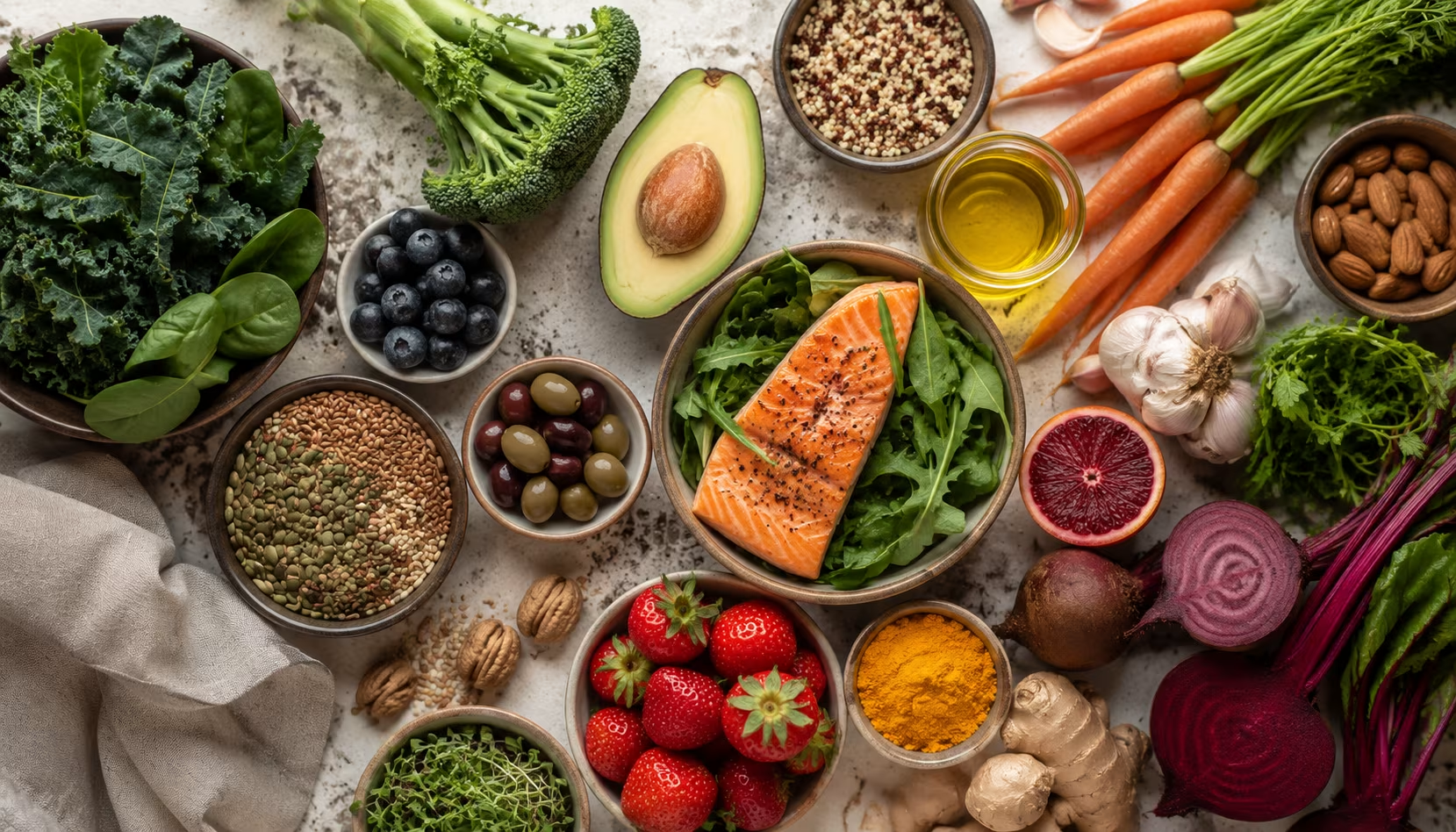
Plant compounds with antioxidant and signaling effects that can reduce inflammatory pathway activation. Found broadly in colorful vegetables, fruit, herbs, spices, tea, coffee, cocoa, olive oil.
Fiber and gut microbiome
Fiber feeds beneficial gut bacteria that produce short-chain fatty acids (especially butyrate), which have anti-inflammatory effects on the gut lining and systemic immune function.
Body composition
Diets that produce excess body fat (especially visceral fat) increase inflammation independently of specific food choices. Adipose tissue is itself an active inflammatory organ.
The interventions that work most reliably address multiple mechanisms simultaneously: they shift fatty acid composition, reduce glycemic load, increase fiber and polyphenols, and support healthy body composition.
The Patterns That Have Evidence
The single most-studied anti-inflammatory dietary pattern is the Mediterranean diet, which has been studied in dozens of randomized controlled trials and large prospective cohort studies.
Key features of the Mediterranean pattern:
- High intake of vegetables, fruit, legumes, whole grains, nuts, seeds
- Olive oil as the primary fat
- Moderate intake of fish and seafood
- Modest intake of dairy (usually fermented: yogurt, cheese)
- Low intake of red and processed meat
- Optional moderate wine consumption with meals
The PREDIMED trial (2013) randomized over 7,000 high-cardiovascular-risk Spanish adults to a Mediterranean diet supplemented with extra-virgin olive oil or mixed nuts vs a low-fat control diet, and found a roughly 30% reduction in major cardiovascular events over 5 years. Inflammatory markers (hsCRP, IL-6) decreased significantly in the Mediterranean groups.
Similar evidence supports the DASH diet (Dietary Approaches to Stop Hypertension), the traditional Okinawan diet, and the Nordic diet, all of which share the underlying pattern of high plant-food intake, moderate animal foods, and minimal ultra-processed food.
The patterns work. The mechanism is partly the foods present and partly the foods displaced.
Foods With Direct Anti-Inflammatory Effects
Within an overall anti-inflammatory pattern, certain foods have stronger individual evidence:
Fatty fish (salmon, mackerel, sardines, herring)
EPA and DHA reduce inflammatory mediators. Aim for 2 servings per week.
Extra-virgin olive oil
Oleocanthal, a polyphenol, has anti-inflammatory activity comparable to ibuprofen at the molecular level (though the per-serving dose is small). Used as the primary cooking and salad oil.
Berries (blueberries, blackberries, strawberries, raspberries)
Anthocyanins reduce oxidative stress markers in clinical trials.
Leafy greens (spinach, kale, arugula, chard)
High in carotenoids and folate; multiple anti-inflammatory mechanisms.
Nuts (especially walnuts and almonds)
Improve lipid profiles and inflammatory markers in trials.
Cruciferous vegetables (broccoli, cauliflower, Brussels sprouts, kale)
Contain sulforaphane, which activates antioxidant defenses.
Coffee and green tea
Both reduce inflammation markers in observational studies and most clinical trials, contrary to old assumptions about coffee.
Dark chocolate (70%+ cocoa)
Flavanols modestly improve vascular function and inflammation. Note: 1–2 squares, not a bar.
Fermented foods (yogurt, kefir, sauerkraut, kimchi)
Support gut microbiome, which influences systemic inflammation.
Garlic, ginger, turmeric
Culinary use is supported; supplemental concentrations have more variable evidence (covered below).
These foods don't work as isolated interventions in someone otherwise eating poorly. They work as components of an overall pattern.
The Pro-Inflammatory Patterns
The other side of the equation. Foods and patterns associated with higher inflammation:
Ultra-processed foods
Packaged snacks, soft drinks, sugary cereals, frozen prepared meals, fast food. The single most consistent dietary driver of chronic inflammation in observational studies.
Excess added sugar
Particularly fructose-containing sweeteners at high doses. Ranges of "excess" vary but the WHO suggests under 10% of energy from added sugar, with stronger benefit below 5%.
Excess alcohol
Moderate intake (1 drink/day women, 2 men) has neutral or possibly slightly anti-inflammatory effects. Heavier intake is clearly pro-inflammatory.
High intake of red and processed meat
Especially processed (bacon, sausage, deli meat) at multiple servings per day. The threshold for harm appears to be around 50 g/day of processed meat.
Repeatedly fried foods in industrial settings
Produces oxidized lipids and aldehydes that promote inflammation.
Excess refined grain intake
Large portions of white bread, white rice, refined-flour pasta producing repeated glycemic spikes.
High overall energy intake leading to obesity
Chronic positive energy balance and resulting visceral fat deposition is one of the strongest inflammatory drivers, partially independent of food choices.
Notice that most of these are about pattern and quantity rather than absolute prohibition of any food. An occasional beer, sausage, or bag of chips doesn't drive chronic inflammation. Daily packaged ultra-processed eating does.
Specific Spice and Supplement Claims
The "anti-inflammatory supplement" category is large and uneven. A quick survey:
Curcumin/turmeric
Anti-inflammatory in vitro and in animal models. Oral bioavailability is poor; piperine improves absorption. Clinical trials in osteoarthritis show modest pain reduction. Trials in other conditions are mixed. Reasonable for joint pain in 500–1,000 mg/day standardized extract; less convincing as a general "anti-inflammatory supplement."
Ginger
Clinical evidence for reducing exercise-induced muscle soreness and nausea. Anti-inflammatory effects in some trials. Reasonable culinary use; supplemental forms work but are dose-dependent.
Boswellia serrata
Modest evidence for reducing osteoarthritis pain.
Bromelain
Pineapple-derived enzyme; some evidence for swelling reduction post-injury. Modest.
Resveratrol
Heavily marketed; clinical evidence in humans is weak for the doses achievable through supplementation.
Quercetin
Flavonoid found in onions and apples; supplementation evidence is mixed.
Tart cherry
Modest evidence for reducing exercise-induced muscle soreness. The juice is high in sugar; concentrate or capsules are alternatives.
The general principle: culinary use of anti-inflammatory spices (turmeric, ginger, garlic, oregano, cinnamon) is part of a healthy pattern; supplementation adds modest benefit at most for most uses.
Beyond Diet: The Other Inflammation Variables
For people focused on reducing chronic inflammation, the largest leverage points often aren't dietary:
Body composition
Losing 5–10% of body weight in people with overweight or obesity reliably reduces inflammatory markers. Often a larger effect than any specific dietary intervention.
Physical activity
Regular moderate exercise reduces inflammation. The relationship is dose-dependent up to a point; very high training loads can transiently increase inflammation.
Sleep
Chronic sleep deprivation (under 6 hours/night) elevates CRP and IL-6. Sleeping 7–9 hours/night is one of the most powerful anti-inflammatory interventions available.
Smoking
Among the strongest pro-inflammatory exposures. Cessation reduces inflammation within weeks.
Stress management
Chronic psychological stress elevates inflammatory markers via cortisol pathway disruption. Mindfulness, exercise, social connection, and adequate sleep help.
Oral health
Gum disease and chronic periodontal inflammation contribute to systemic inflammation. Dental hygiene matters more than the wellness industry generally acknowledges.
The diet component is real but is one variable among several. Optimizing diet while ignoring sleep, exercise, and stress produces less benefit than a balanced approach.
A Reasonable Plate
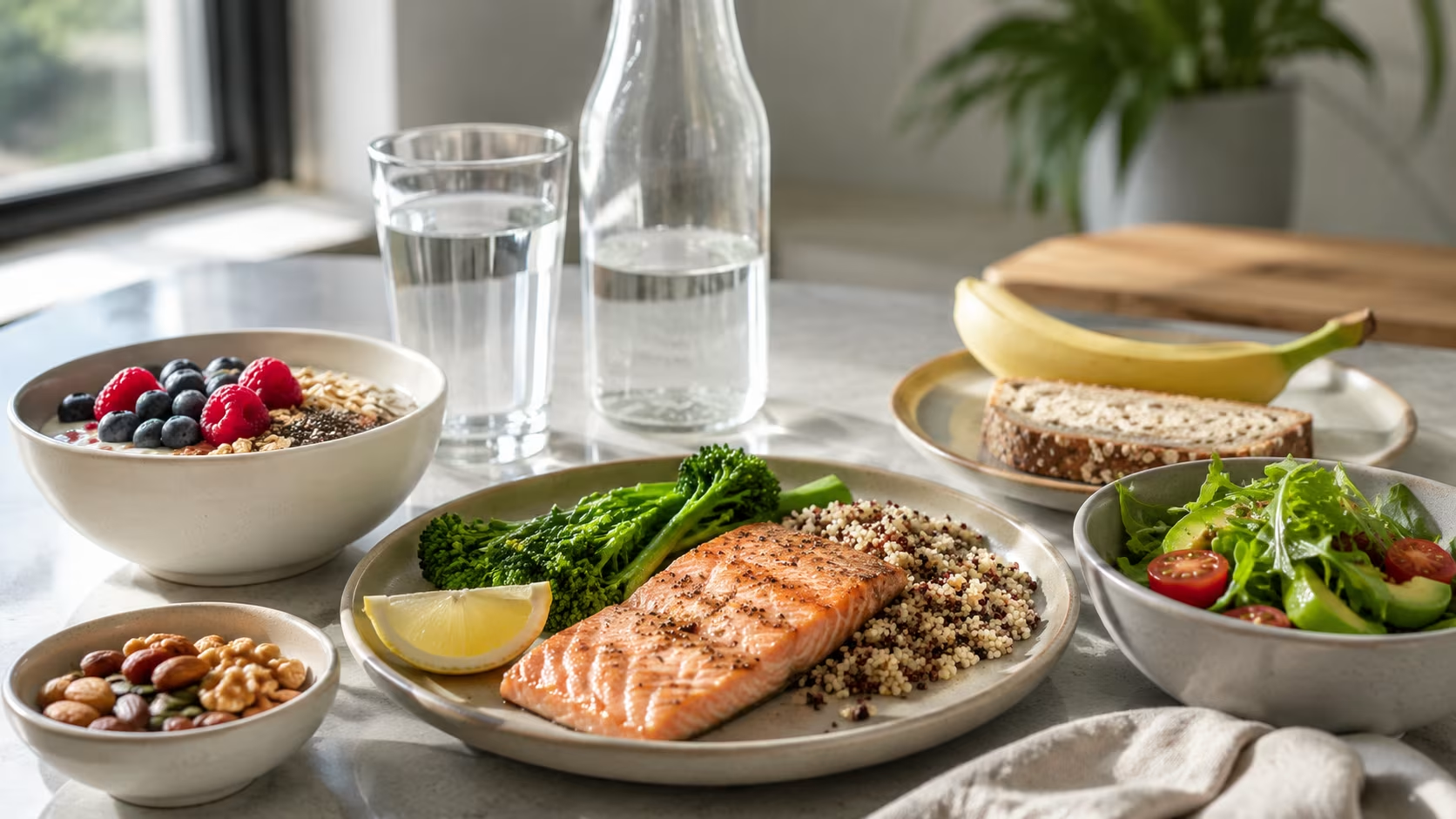
A daily template consistent with the evidence:
Vegetables and fruit
At least 5 servings combined per day, with as much color variety as possible. Berries 2–3 times per week. Leafy greens daily.
Whole grains
Several servings per day from oats, brown rice, quinoa, whole-grain bread, barley, farro.
Legumes
Several servings per week from beans, lentils, chickpeas, edamame.
Nuts and seeds
Small daily handful (30 g).
Olive oil as primary cooking and dressing oil.
Fatty fish twice a week.
Red meat once a week or less; processed meat rarely.
Dairy
In moderate amounts, preferably fermented (yogurt, kefir, cheese).
Refined grains and added sugar
Kept to occasional rather than daily.
Alcohol
At zero to moderate intake (1 drink/day women, 2 men maximum).
Hydration
Primarily from water; coffee and tea fine; fruit juice in moderation.
This isn't a special diet. It's a normal varied diet that happens to be the dietary pattern best supported by evidence for cardiovascular health, longevity, and inflammation control. The simpler the framing, the more sustainable the habit.
Frequently Asked Questions
Does an anti-inflammatory diet actually work?
Diets rich in vegetables, fruit, fish, olive oil, whole grains, nuts, and legumes (patterns like the Mediterranean diet) have consistent evidence for reducing inflammatory markers (CRP, IL-6) and lowering risk of cardiovascular disease and several cancers. The "anti-inflammatory diet" as marketed (turmeric lattes, golden milk, specific superfoods) is much less well-supported as a stand-alone intervention.
What's the difference between acute and chronic inflammation?
Acute inflammation is the body's normal short-term response to injury or infection (redness, swelling, heat, pain) and resolves once healing is done. Chronic low-grade inflammation is a sustained, lower-intensity inflammatory state implicated in cardiovascular disease, type 2 diabetes, and some cancers. Diet affects chronic inflammation more than acute.
Is turmeric or curcumin worth taking?
Curcumin has anti-inflammatory effects in cell and animal studies, but oral bioavailability is poor. Even with piperine (black pepper extract) to improve absorption, the doses needed for clinically meaningful inflammation reduction are well above what curry consumption provides. Some clinical trials in osteoarthritis show modest benefit; evidence in other conditions is weaker.
Do I need to take fish oil for inflammation?
If your fish intake is low, omega-3 supplementation (1–2 g EPA + DHA daily) modestly reduces inflammatory markers. If you eat fatty fish twice a week, supplementation adds little. The bigger anti-inflammatory benefit usually comes from reducing the things that drive inflammation (poor sleep, excess body fat, sedentary lifestyle, ultra-processed food intake) than from adding any specific supplement.
What foods are most strongly associated with chronic inflammation?
Frequent ultra-processed food intake, excess added sugar, excess alcohol, very high red and processed meat intake, and high-energy diets producing excess body fat are the strongest dietary contributors. The pattern matters more than any single "inflammatory food."




0 Comments
Leave a comment
Your email won't be published. Required fields are marked with *.