


Hydration recommendations for endurance athletes have shifted twice in the past 30 years. In the 1980s and 1990s, the advice was to "stay ahead of thirst" and drink aggressively. By the 2000s, deaths from exercise-associated hyponatremia in marathon and ultramarathon athletes prompted a rethink, and current guidelines from the American College of Sports Medicine emphasize individualization, modest fluid intake, and avoiding over-drinking.
The honest position in 2026 is that hydration is one of the more individual variables in endurance performance. Sweat rates vary by a factor of three or four between athletes. Sweat sodium concentrations vary by a factor of nearly ten. A protocol that works for one runner can be entirely wrong for another. This guide walks through how to figure out your own.
The Three Things You're Replacing
Exercise costs you fluid, electrolytes, and energy substrate. Hydration strategy is about replacing the first two; carbohydrate intake during exercise (covered briefly below) addresses the third.
Fluid
lost as sweat (the dominant route during exercise) and through respiration. Average sweat rates range from 0.5 to 2.5 liters per hour during running or cycling, depending on intensity, ambient conditions, body size, and individual variation.
Sodium
the dominant electrolyte in sweat. Average concentration is around 500 mg per liter but varies widely.
Other electrolytes
potassium, chloride, magnesium, calcium are present in sweat but at much lower concentrations than sodium. For most athletic situations, sodium is the only one worth specifically replacing.
Glycogen / blood glucose
depleted during prolonged exercise, addressed through carbohydrate intake during the session. Not strictly a hydration topic but bundled with hydration in practice because sports drinks combine both.
How to Measure Your Sweat Rate
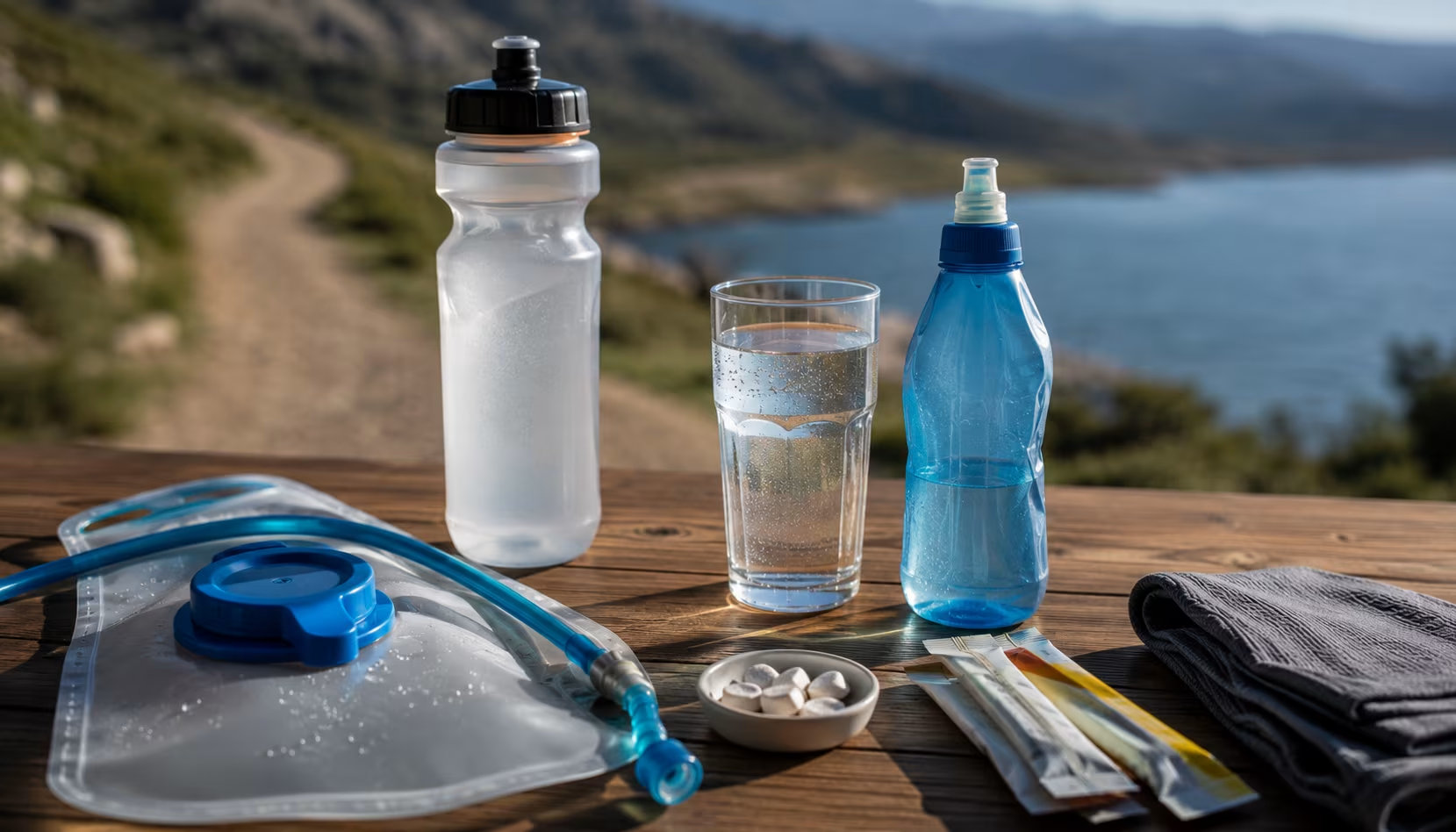
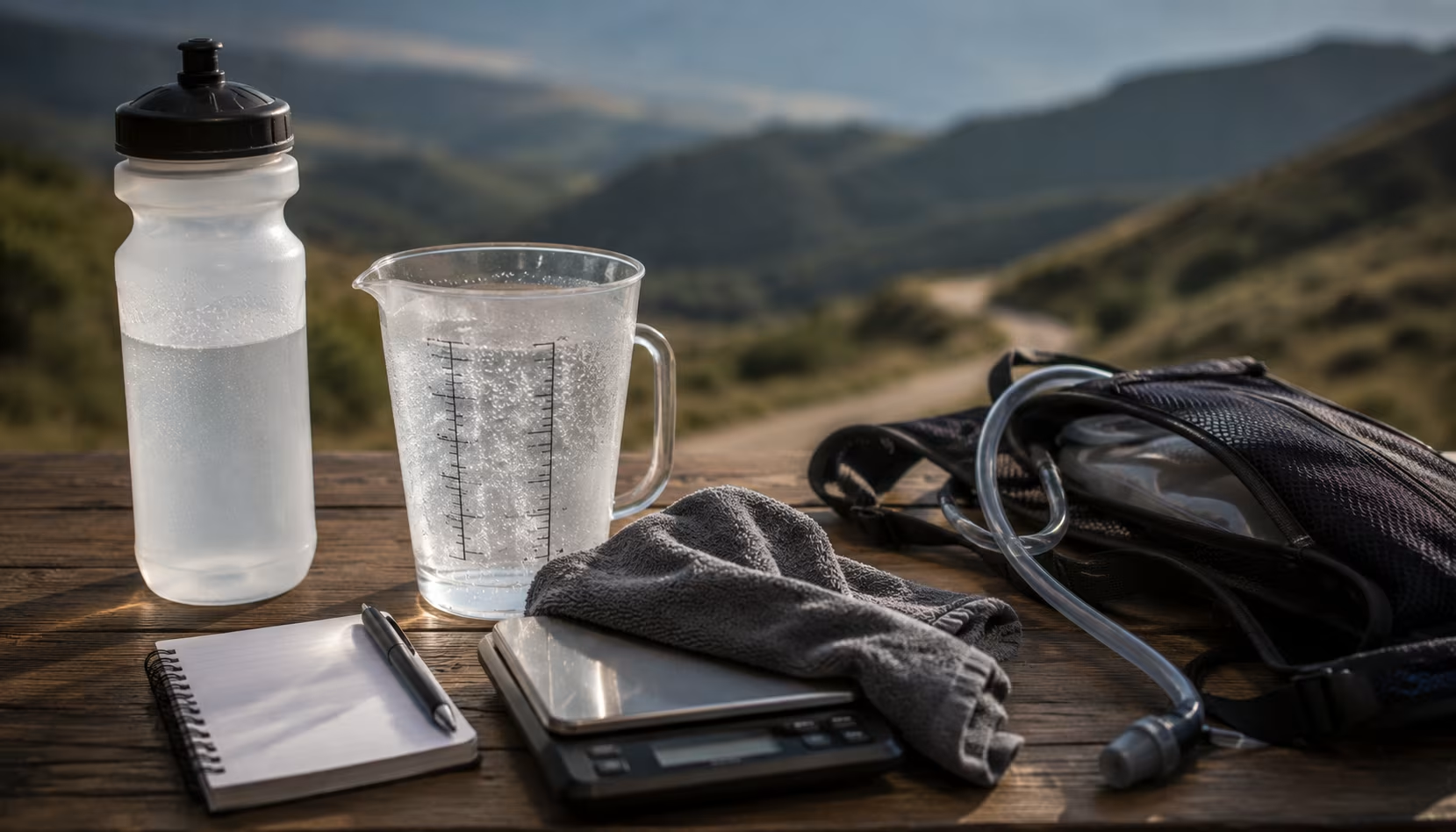
The single most useful piece of self-knowledge for an endurance athlete is your sweat rate at typical race pace in typical conditions. The protocol:
- Empty your bladder
- Weigh yourself nude, to the nearest 0.1 kg, before training
- Train for 60 minutes at your typical race intensity, in conditions similar to your target event
- Track exactly how much fluid you drink during the session (in milliliters)
- After training, towel off any sweat and weigh nude again
Sweat loss = (pre-weight − post-weight) + fluid consumed
Example: A runner weighs 70.0 kg before, drinks 500 ml during, weighs 68.8 kg after. Sweat loss = 1.2 kg + 0.5 L = 1.7 L per hour.
Repeat this test in different conditions (heat, cold, race pace, training pace) to build a personal picture. Sweat rate varies a lot: a 70 kg runner might sweat 0.8 L/hour at 5 °C and 2.0 L/hour at 30 °C at the same pace.
The goal during racing is generally to replace 60–80% of sweat losses to limit body weight loss to under 2%, the threshold above which performance starts to decline meaningfully. Drinking to 100% replacement is unnecessary and risks hyponatremia.
Sodium Loss: The Most Individual Variable
Sweat sodium concentration varies dramatically between individuals and to a lesser extent within an individual across conditions and training state. A 2021 study by Maughan and colleagues measured sweat sodium across 506 athletes and found a range from 200 to over 1,800 mg per liter, with most athletes between 300 and 800 mg/L.
This matters because generic recommendations of "500 mg sodium per liter of sports drink" are right on average but wrong for many specific athletes. A low-sodium sweater drinking the same drink as a high-sodium sweater will be fine. The high-sodium sweater may end up cramping or developing salt-loss-driven fatigue.
Three ways to estimate your sodium losses:
- Salty crust on skin or clothing after long sessions: the visible white powder is sodium chloride. If you see it routinely, you're a higher-sodium sweater. Not quantitative but a useful flag.
- Sweat testing: patches like Nix or laboratory testing through services like Levelen and Precision Hydration give actual numbers.
- Trial and error in training: try different drink concentrations during long training sessions and see what feels best.
The practical implication is that a single brand of sports drink will not be optimal for everyone. High-sodium sweaters benefit from drinks with 800–1,200 mg sodium per liter (often achieved by adding extra sodium to a standard drink). Low-sodium sweaters can get by with 400–500 mg/L.
Drinking Before, During, and After
Before the session
Start hydrated, not over-hydrated. 400–600 ml of fluid 2–3 hours before the event allows time for absorption and bladder emptying. An additional 200–300 ml in the 30 minutes before. Including some sodium (a pinch of salt in a glass of water, or a small electrolyte drink) helps fluid retention.
During the session.
- Under 60 minutes of moderate intensity: water is sufficient for most people. Some prefer sips for comfort; not drinking at all is also fine.
- 60–90 minutes: 400–800 ml per hour of a drink with 30–60 g of carbs. Sodium becomes useful but not yet critical.
- Over 90 minutes: 400–800 ml per hour of a drink with 30–80 g of carbs and 300–700 mg of sodium per liter. This is the territory where individualization matters most.
- Over 4 hours (ultra): lower carb concentration to avoid GI distress; higher emphasis on real food and supplemental salt tabs.
After the session
Drink 125–150% of body weight lost over the following 2–4 hours, with adequate sodium to retain the fluid. A 1 kg loss = 1.25–1.5 L of fluid plus 800–1,500 mg of sodium, easily achieved through a recovery drink, a meal with salt, or pretzels and water.
Carbohydrates in Sports Drinks
For sessions under 60 minutes, carbohydrate intake during the session has minimal performance benefit for most athletes: glycogen and blood glucose are adequate.
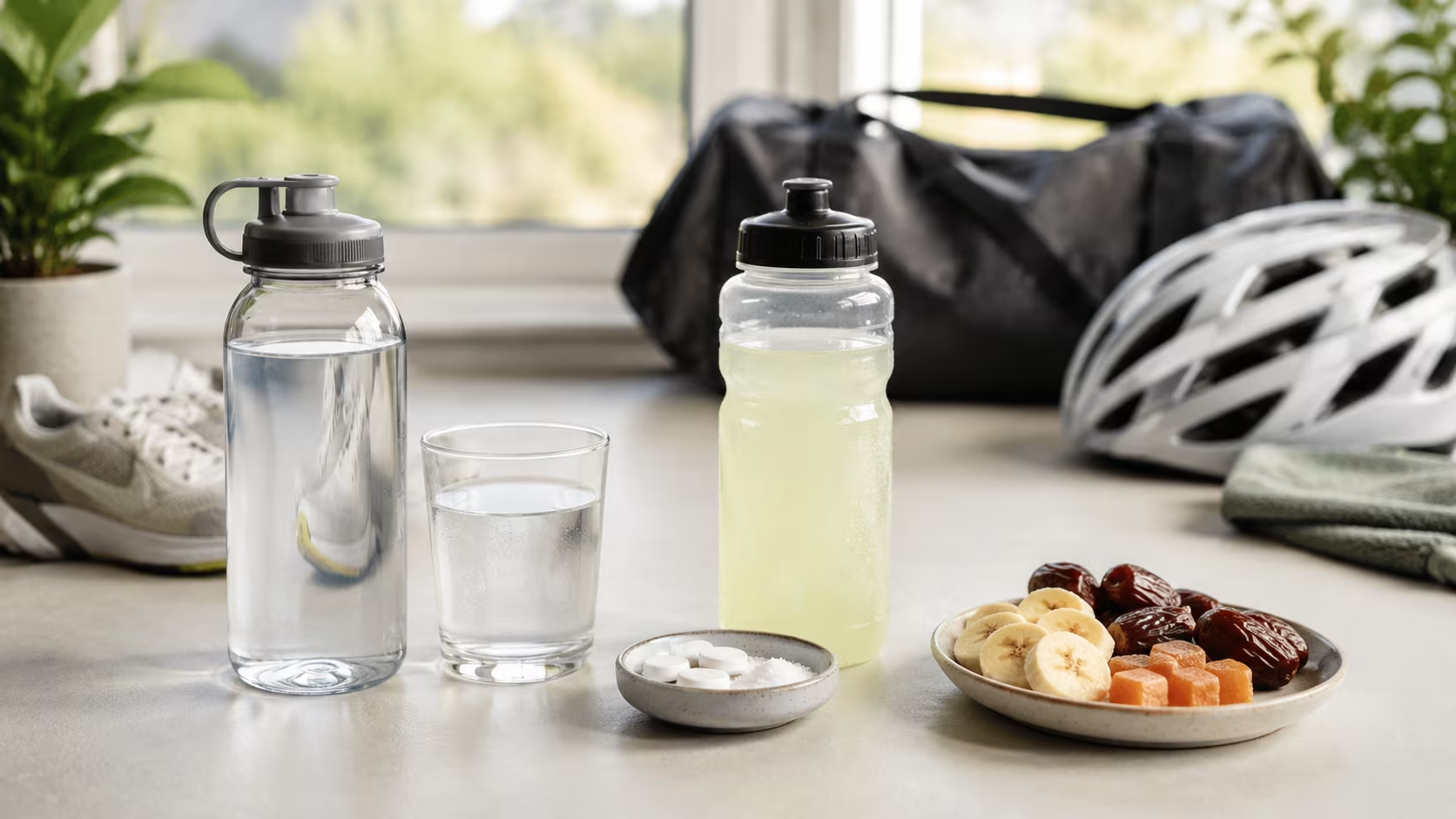
For sessions of 60–150 minutes, carbohydrate intake at 30–60 g per hour improves performance and perceived effort. The most efficient way to consume carbs at this rate during running is liquid (gels, drinks) because solid food at running pace is difficult to digest.
For sessions over 150 minutes (long marathons, ultras, long cycling), intake can be pushed to 60–90 g per hour by combining glucose and fructose. The combination uses two different intestinal transporters (SGLT1 for glucose, GLUT5 for fructose), allowing higher total absorption than glucose alone. Most modern sports drinks for long-duration events use this 2:1 glucose-to-fructose ratio.
Practical carb sources during exercise:
- Sports drinks: 6–8% carbohydrate concentration is the sweet spot for absorption
- Gels: concentrated, easy to carry, typically 20–25 g per gel
- Chews and gummies: same physiology as gels in chewable form
- Real food (bananas, dates, sandwiches): works at lower intensities and over very long durations
- Maltodextrin-based powders: neutral taste, can be mixed at any concentration
The key training point: train your gut. The capacity to absorb 90 g/hour of carbs is partially trainable through repeated exposure during long training sessions. Athletes who never practice high carb intake during training often experience GI distress at race-day fueling rates.
Hyponatremia: How It Happens
Exercise-associated hyponatremia (EAH) is the dangerous condition that prompted the modern shift away from "drink as much as you can." It develops when:
- Plain water intake exceeds sweat losses
- Or fluid intake plus inadequate sodium leads to blood sodium dilution
Symptoms develop progressively: bloating, nausea, headache, confusion, swelling of hands or feet, weight gain during exercise (a key red flag), and in severe cases seizures, coma, and death.
The deaths from EAH that prompted updated guidelines were mostly in non-elite marathon and ultramarathon runners who:
- Drank at every aid station regardless of thirst
- Drank plain water rather than sodium-containing drinks
- Ran for 4+ hours
- Were female (smaller body size for a given fluid intake)
The protective principle is simple: do not drink more than you sweat. Weighing yourself before and after long sessions verifies this. A small loss (1–2% body weight) is normal and not dangerous. A gain or zero loss after a 4-hour session is a sign of over-drinking.
For most people training under 2 hours, EAH is not a meaningful risk. The fear should not push athletes toward under-drinking on shorter sessions in heat, where dehydration is the actual problem.
Practical Protocols by Distance
5K race
Water before, no fluid required during, drink to thirst after.
10K race
Hydrate before, optional small drink at the halfway mark if available, normal fluid replacement after.
Half marathon
400–600 ml in the 90 minutes before. Sports drink (or water + carb intake from a gel) at aid stations every 20–25 minutes during. Replace losses fully within 2–3 hours after.
Marathon
Pre-race hydration as above. 600–800 ml/hour during of a drink with 60 g carbs and 500–800 mg sodium per liter (adjusted to your sweat rate). For most runners, this means drinking small amounts (100–200 ml) at every aid station. Avoid taking nothing for the first 10 km and then trying to "catch up": the gut absorbs more reliably when intake is steady.
Ultramarathon (50K and beyond)
A mix of solid food (sandwiches, potatoes, bars), sports drinks, electrolyte capsules, and water. Carbs intake target 60–90 g/hour, sodium intake 500–1,000 mg/hour adjusted to losses. Plan for varied stomach tolerance over the course of the event.
Long cycling (3+ hours)
Easier than running because cycling tolerates higher intake rates. 600–1,000 ml/hour of mixed drinks and water, plus solid food (energy bars, real food in jersey pockets).
Heat and Acclimatization
Heat dramatically increases sweat rate. A runner who sweats 1 L/hour at 15 °C might sweat 2.5 L/hour at 30 °C and 70% humidity. The physiological response to heat exposure, heat acclimatization, develops over 10–14 days of repeated exposure.
Acclimatized athletes:
- Sweat earlier and more profusely (a protective response, not a sign of problem)
- Have lower sweat sodium concentration (saving sodium)
- Have higher plasma volume
- Perform measurably better in heat
For a race in heat conditions where you haven't trained in heat, acclimatization in the 2 weeks before is the most-impactful preparation. Saunas can substitute partially for actual heat training when training environments are cool.
In heat, fluid and sodium needs both rise. Increase total drinking by 20–40% and ensure sodium content is adequate. Avoid the trap of drinking the same amount as in cool weather and finishing with worse heat strain than necessary.
What to Skip
A few popular hydration choices add nothing or actively work against you:
"Alkaline water"
no clinical benefit over regular water for hydration or recovery. The blood pH is tightly regulated; you cannot change it through drinking.
Mega-doses of electrolyte capsules without sodium: magnesium, calcium, and potassium products marketed for "cramping" rarely match the dominant electrolyte loss (sodium) that drives cramping when electrolytes are involved.
Pre-event "hyperhydration" protocols
drinking far in excess of needs the day before does not load you up and may increase urination and disrupt sleep. Normal hydration the day before is enough.
Carbohydrate-only drinks for ultra-distance events
without sodium, long-duration athletes risk hyponatremia from accumulated water intake. Always include sodium in drinks consumed for over 90 minutes.
Coconut water as a sports drink
high in potassium but low in sodium relative to sweat losses. Fine as a regular drink, inadequate as the sole source of electrolytes during long sessions.
Frequently Asked Questions
How do I calculate my sweat rate?
Weigh yourself nude before a 60-minute training session. Train without drinking (if conditions allow safely) or track exactly how much fluid you consume. Weigh yourself again nude after. Body weight loss + fluid consumed = sweat loss. Convert kilograms to liters (1 kg ≈ 1 L) and divide by the session duration.
How much sodium do I lose in sweat?
Sweat sodium concentration varies widely between individuals: from around 200 mg per liter to over 1,800 mg per liter. Most athletes lose 300–800 mg per liter. The variation is large enough that generic recommendations miss for most people; sweat testing or systematic experimentation matters.
Should I drink to thirst or on a schedule?
For sessions under 90 minutes in moderate conditions, drinking to thirst is reliable. For sessions over 90 minutes, in heat, or for marathon-pace efforts where thirst signals lag behind actual losses, a planned intake schedule based on sweat rate is more reliable.
What is hyponatremia and how do I avoid it?
Hyponatremia is dangerously low blood sodium caused by drinking too much plain water without replacing electrolytes during prolonged exercise. Symptoms include nausea, confusion, headache, and swelling; severe cases can be fatal. Avoid by not exceeding your sweat losses, including sodium in drinks for sessions over 90 minutes, and weighing yourself post-training to check that you haven't gained weight.
Are sports drinks better than water?
For sessions under 60 minutes, water alone is fine. For sessions 60–90 minutes, a drink with carbs (30–60 g/hour) helps performance. For sessions over 90 minutes, especially in heat, a drink with both carbs and sodium becomes important. The right answer depends on duration, intensity, and how much you sweat.




0 Comments
Leave a comment
Your email won't be published. Required fields are marked with *.