


The early morning training window (anywhere from 5 to 7 AM) has its own set of nutrition questions. You're moving from a 7-to-10-hour overnight fast directly into a workout. Your blood glucose is on the lower end of normal. Your stomach is empty enough that food choices matter more than they do later in the day. Whether you eat or train fasted depends on what kind of session you're doing and what you're optimizing for.
This is a guide to morning pre-workout nutrition with specific timing recommendations, what to eat, what to skip, and where the supplement marketing is louder than the evidence.
What Happens Physiologically When You Wake Up
Several things shift overnight. Cortisol peaks roughly 30–60 minutes after waking, this is normal and not problematic. Glycogen stores in the liver are partially depleted (the liver releases glucose during sleep to maintain blood glucose). Muscle glycogen, by contrast, is largely intact unless you trained heavily the day before and didn't refuel.
Body temperature is at its lowest point of the day, which is why warm-ups feel longer and harder before 7 AM. Insulin sensitivity is at its highest point of the day in the early morning, which has implications for what carbohydrates do to blood glucose if you eat them now versus later.
For training purposes, the key implication: liver glycogen is a meaningful constraint on long sessions, not on short ones. A 30-minute strength session in a fasted state is fine for almost everyone. A 90-minute interval run on empty is suboptimal for most.
Should You Train Fasted or Fed
This depends on three factors: session duration, session intensity, and what you're trying to optimize.
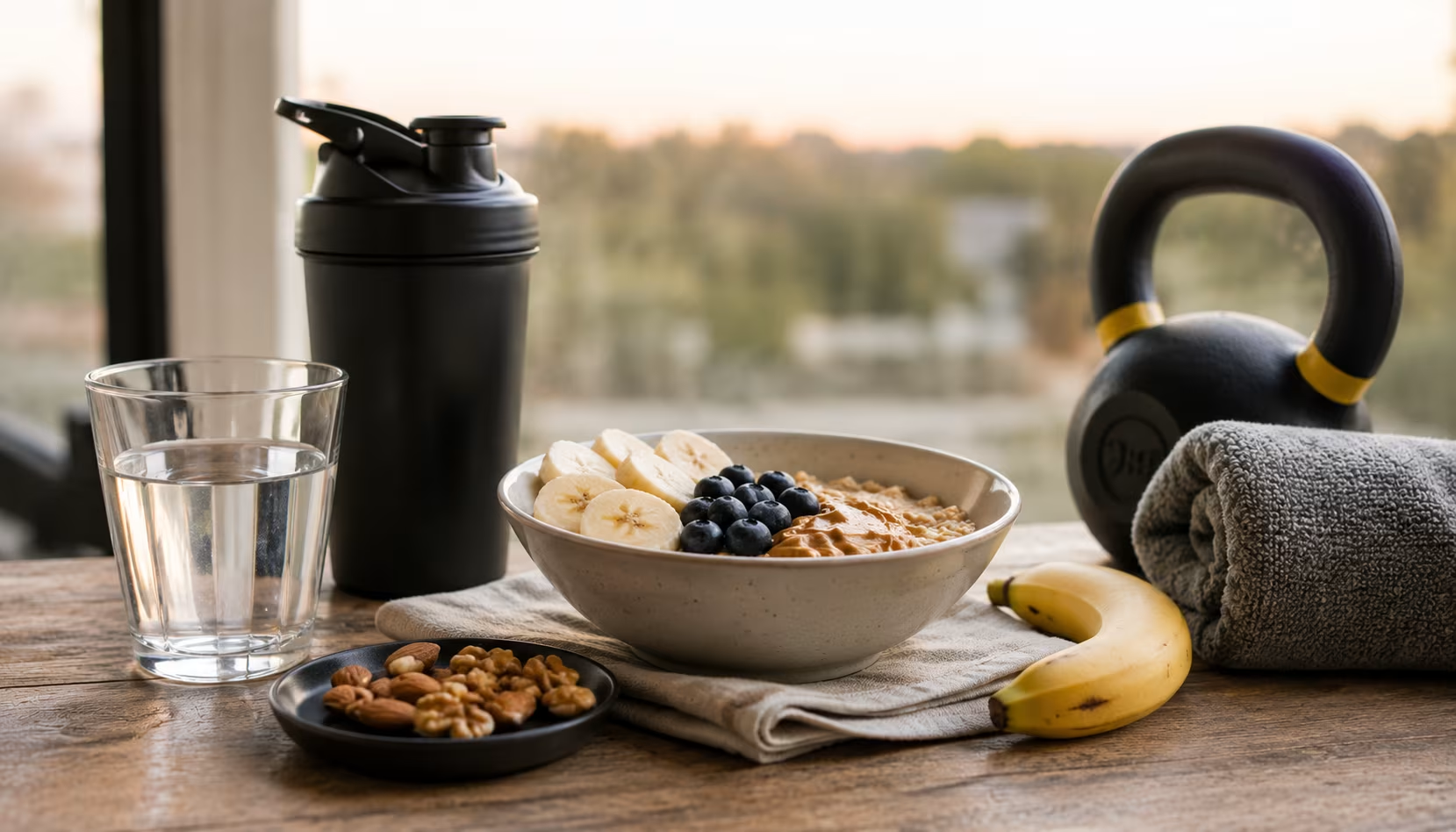
Train fasted if:
- The session is under 60 minutes
- It's moderate intensity (Zone 2 cardio, low-volume strength work, mobility work)
- You feel fine doing so (some people genuinely don't, regardless of training science)
- The simplicity of waking up and going matches your morning rhythm
Eat first if:
- The session is over 60 minutes
- It includes high-intensity intervals or heavy lifting in the 5RM–8RM range
- You feel weak, dizzy, or nauseous training fasted
- You're in a calorie-restricted phase and need to spare protein during the session
The myth that fasted cardio is "better for fat loss" doesn't hold up under longer-term study. Fat loss happens over weeks and months at a calorie deficit, not within a single morning session. Schoenfeld and colleagues (2014) directly compared fasted vs fed cardio for body composition and found no difference at four weeks when total calories were matched.
What fasted training does do is shift fuel use during the session toward fat oxidation. This has training adaptations relevant to endurance athletes (improved fat-utilization at submaximal intensities) but no proven body composition advantage.
The Right Foods for the Right Window
Window from eating to training matters more than the specific food. The shorter the window, the more the food needs to be:
- Carbohydrate-dominant
- Low in fat
- Low in fiber
- Easy to digest
3 hours before training
A balanced meal of 400–600 kcal with protein, carbs, and some fat. Examples: oatmeal with Greek yogurt and berries; eggs on whole-grain toast with avocado; a protein smoothie with banana and oats.
60–90 minutes before
A smaller, lighter snack of 200–300 kcal, lower in fat and fiber. Examples: banana with a tablespoon of peanut butter; rice cakes with jam; a slice of toast with honey and a glass of milk.
15–30 minutes before
Easily digested carbs only: solid food at this point may sit in the stomach during training. Examples: half a banana, a handful of dates, a sports gel, 200 ml of orange juice. Skip protein and fat in this window; both slow gastric emptying.
For sessions that are short and moderate, a cup of coffee and a glass of water can be all you need. The "always eat before training" advice is generic; the specific session and your tolerance matter more.
Caffeine: The One Thing That Reliably Helps
Caffeine is the most evidence-supported pre-training supplement and one of the few that consistently improves both endurance and strength performance. The effective dose range is 3 to 6 mg per kg of body weight: roughly 210–420 mg for a 70 kg person, or about 2–4 cups of coffee.
Timing: take it 30–45 minutes before training. Plasma caffeine peaks around 30–60 minutes post-ingestion.
Mechanisms include reduced perception of effort, increased fatty acid mobilization, and enhanced calcium release in muscle fibers (which improves contractile force). The performance effect is on the order of 2–5% improvement in time-trial performance and reps-to-failure, small but reliable.
Caveats:
- Habitual caffeine users develop partial tolerance. The performance benefit is largest in low-tolerance individuals
- Doses above 6 mg/kg often cause jitteriness, GI distress, or rapid heart rate without additional performance gain
- Caffeine within 8–10 hours of bedtime measurably impairs sleep quality, even in people who think it doesn't
For morning training specifically, the timing problem is minimal because you're well clear of bedtime. Coffee, espresso, and tea are all fine sources. Pre-workout drinks marketed for the "stim" are usually overpriced caffeine plus filler.
Hydration Before Training
You wake up dehydrated. Sleep produces measurable fluid loss through respiration and (overnight) urine. By the time you wake, plasma volume is typically 1–3% lower than at bedtime.
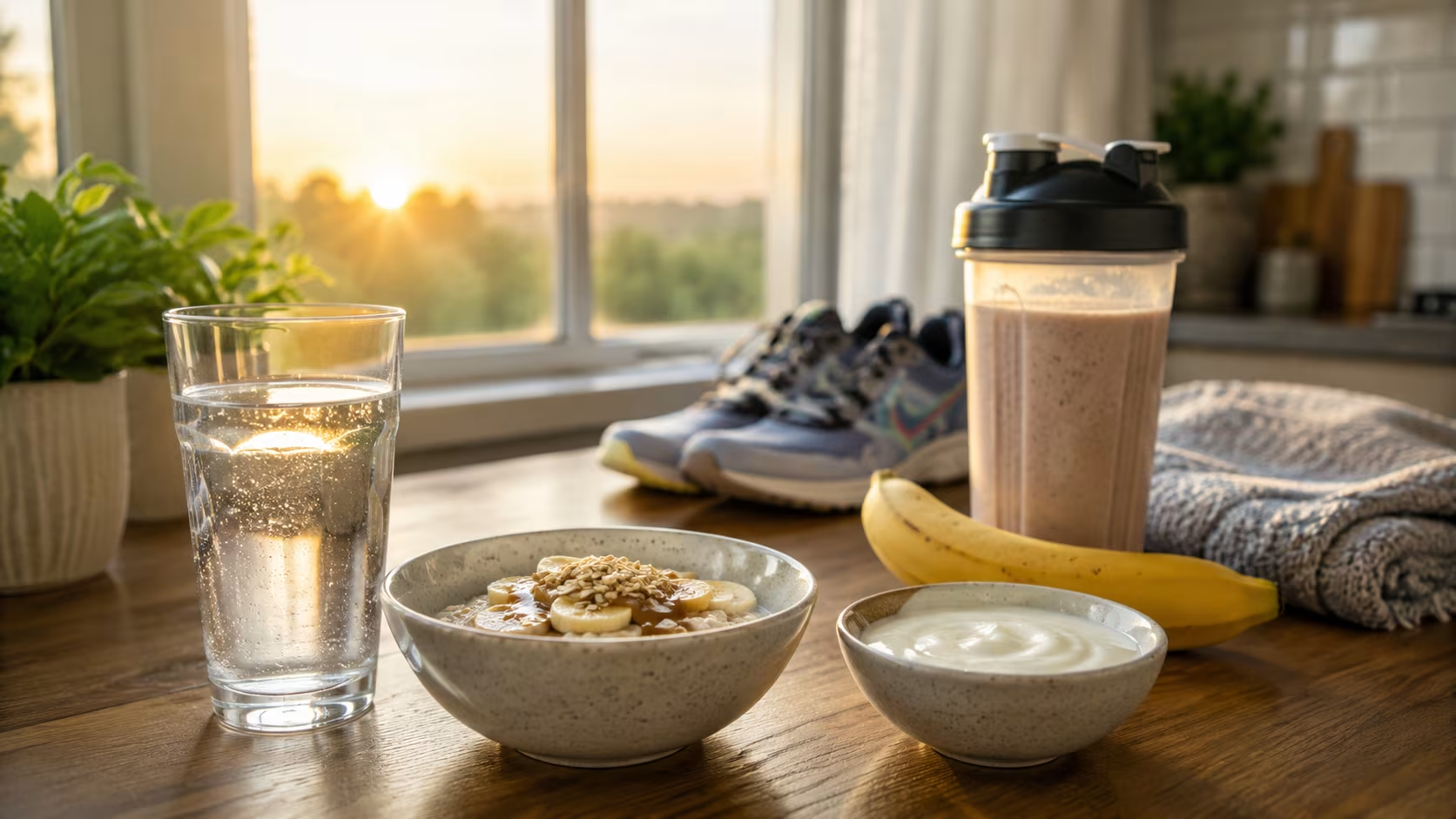
Aim for 400–500 ml of water in the first 30–45 minutes after waking, before the workout begins. A pinch of salt in the first glass speeds rehydration if you're a heavy sweater or training for over 60 minutes.
Hyponatremia (over-drinking water without replacing sodium) is a small but real risk for endurance athletes drinking large volumes during long sessions. For sessions under 60 minutes, plain water is fine. For longer sessions, especially in heat, an electrolyte mix or sports drink during training is appropriate.
What About Pre-Workout Supplements
The pre-workout supplement category is dominated by proprietary blends that combine a few effective ingredients with a long list of fillers, colorants, and flavorings. The active components with reasonable evidence:
Caffeine (covered above). The dominant active in most pre-workouts.
Beta-alanine
buffers muscle pH during high-intensity work in the 1–4 minute range (fartlek intervals, 400m repeats, high-rep sets of 15–20). Effective dose is 3.2–6.4 g per day, but it has to be taken consistently for 4–6 weeks to build up muscle carnosine. A single pre-workout dose does nothing meaningful and the tingling sensation it produces (paresthesia) is harmless but not a marker of efficacy.
L-Citrulline (or citrulline malate): increases nitric oxide and may modestly improve high-rep strength endurance and reduce muscle soreness. Effective dose 6–8 g, 60 minutes before training.
Creatine monohydrate
covered separately on this site. Effective at 3–5 g per day, timing relative to workout doesn't matter, but many people take it pre-workout for convenience.
If you want the active ingredients, buy them as separate single-ingredient powders: caffeine in coffee or pill form, beta-alanine, citrulline, and creatine. The cost per serving is typically 30–60% lower than packaged pre-workout drinks, and you can dial doses to your body weight and training type.
What to Skip
A few common pre-workout choices are net negatives for performance:

Heavy meals within 60 minutes
leaves food in the stomach during training, often causing nausea or reflux. The "big breakfast then workout" approach works only with a 2-3 hour gap.
High-fat foods within 60 minutes
fat slows gastric emptying significantly. The bowl of full-fat yogurt with nuts or the eggs with bacon is fine 2 hours out, often miserable 30 minutes out.
High-fiber foods immediately before
vegetables, beans, raw apples, large quantities of whole grains. Fiber doesn't digest well during exertion. Save the salad for later.
Sugar-free pre-workout drinks with sugar alcohols
sucralose, sorbitol, mannitol, erythritol can produce GI distress during training in some people. Read labels.
Energy drinks marketed at children or for "focus"
most contain caffeine plus a long list of B vitamins (added because they're cheap) and proprietary blends with no studied dose. Coffee is cheaper and better-studied.
A Sample Morning Routine
For a 6 AM strength session lasting 60 minutes:
- 5:15 AM: wake, 500 ml water with a pinch of salt
- 5:20 AM: coffee (200–300 mg caffeine) and a banana with peanut butter
- 5:50 AM: start warm-up
- 6:00 AM: main session begins
- During session: sips of water as needed
- 7:00 AM: full breakfast within 30–60 minutes of finishing
For a 5:30 AM Zone 2 cardio session lasting 45 minutes (fasted is fine):
- 5:00 AM: wake, 500 ml water with a pinch of salt
- 5:10 AM: coffee
- 5:25 AM: start warm-up
- 5:30 AM: session begins
- After session: full breakfast
Adjust based on your tolerance, schedule, and how the session feels. The right pre-workout meal is the one you've used long enough to know how your body responds to it.
Frequently Asked Questions
Should I eat before a 5 AM workout?
If the session is under 60 minutes and moderate intensity, you can train fasted with no real downside for most people. For longer or higher-intensity sessions, even a small carbohydrate intake (30–50 g of easily digested carbs 15–30 minutes before) reliably improves performance and reduces perceived effort.
How long before training should I eat?
Larger meals (400+ kcal): 2–3 hours. Medium snacks (200–300 kcal): 60–90 minutes. Small liquid carbs (banana, sports drink, toast with jam): 15–30 minutes. The faster you need to start training, the smaller and more carb-focused the meal should be.
Is fasted cardio better for fat loss?
No. Long-term fat loss is determined by total weekly energy balance, not by which fuel source your body prefers during a single morning session. The 'fasted cardio burns more fat' claim is technically true within that session but irrelevant over weeks and months.
What about coffee before training?
Caffeine reliably improves endurance and strength performance at doses of 3–6 mg per kg body weight (about 200–400 mg for most adults), taken 30–45 minutes before training. It works whether or not you ate.
Should I take pre-workout supplements?
The evidence-supported ingredients are caffeine, beta-alanine, citrulline, and creatine. Most pre-workout blends combine these at variable doses with proprietary fillers. You can buy the active ingredients separately for a fraction of the price and customize your dose.





0 Comments
Leave a comment
Your email won't be published. Required fields are marked with *.