


Perimenopause is the 4–10 year transition before menopause, typically starting in the mid-40s, characterized by irregular menstrual cycles and progressively declining estrogen and progesterone production. The body changes during this period in ways that affect how food is metabolized, where fat is stored, how muscle responds to training, and how bone density holds up. The eating patterns that worked at 30 often need adjustment by 45.
This is a guide to the nutrition shifts that have the most evidence behind them: what to add, what to deprioritize, and what to ignore among the louder claims in the perimenopause supplement market.
What's Changing Hormonally
The dominant physiological change is the decline of ovarian estrogen production combined with luteal phase progesterone variability. The effects relevant to nutrition:
- Anabolic resistance: muscle protein synthesis response to a given protein dose is blunted. The leucine threshold per meal effectively rises.
- Insulin sensitivity: gradual decline, with greater post-meal glucose spikes for the same carbohydrate intake.
- Bone resorption: rate of bone loss accelerates, particularly in the first 5–10 years post-menopause.
- Visceral fat partitioning: same calorie intake tends to deposit more fat viscerally (around organs) and less subcutaneously.
- Sleep architecture: more fragmented sleep, with implications for next-day glucose regulation and appetite.
- Mood and energy variability: greater sensitivity to caffeine, alcohol, and erratic blood sugar.
None of these changes are catastrophic. They're real but workable with targeted nutrition and training shifts.
Why Protein Matters More Now
The leucine threshold concept (the amount of leucine that triggers muscle protein synthesis) appears to rise with age and hormonal change. Younger women hit the threshold reliably with 20–25 g of high-quality protein per meal. Perimenopausal and postmenopausal women generally need closer to 30 g per meal to produce the same synthesis response.

The practical implication: distribute 1.6–2.2 g/kg of body weight per day across 3–4 meals, each providing at least 30 g of protein. For a 65 kg woman, that's about 105–145 g total daily protein, in 4 meals of ~30 g each.
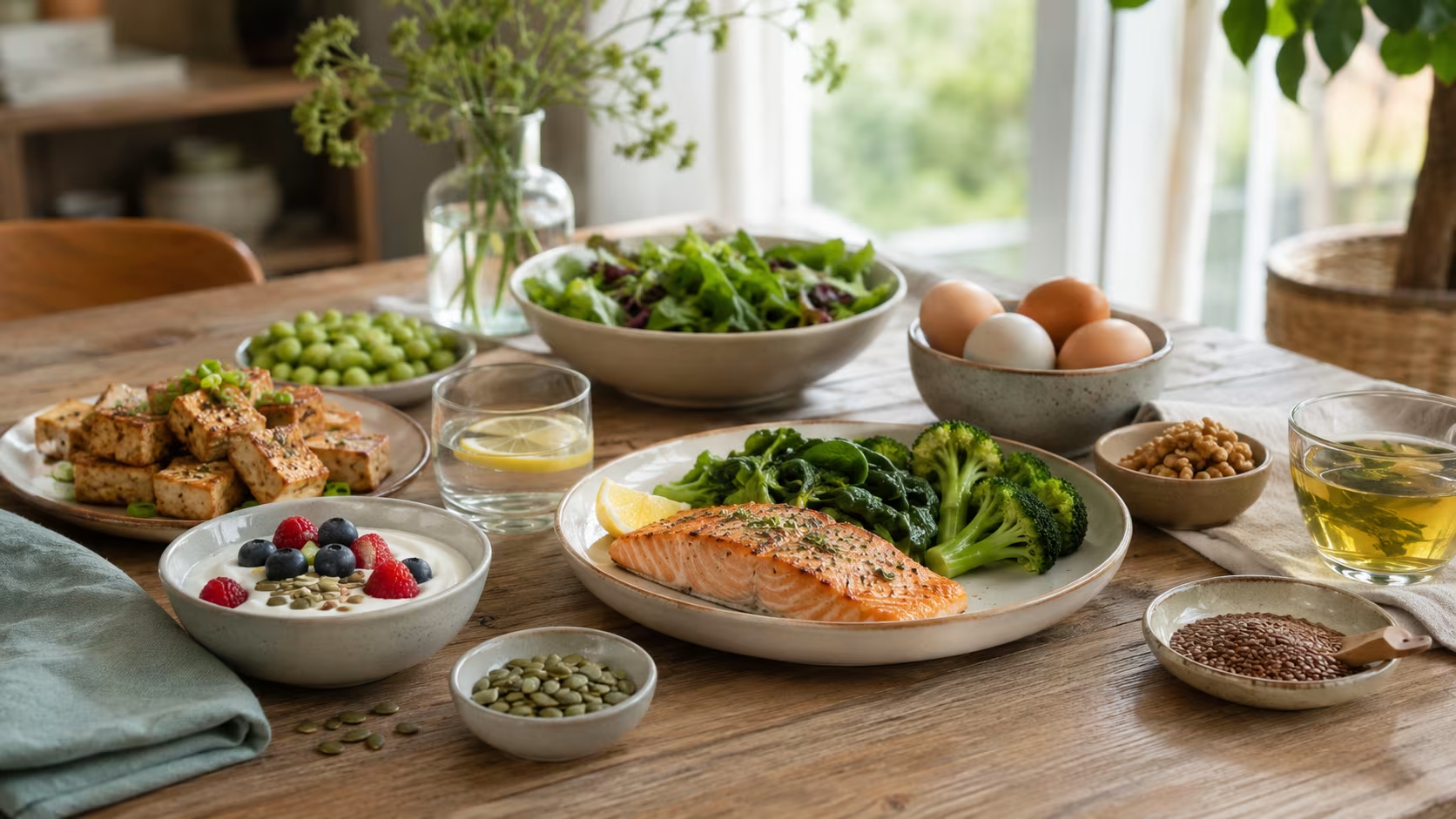
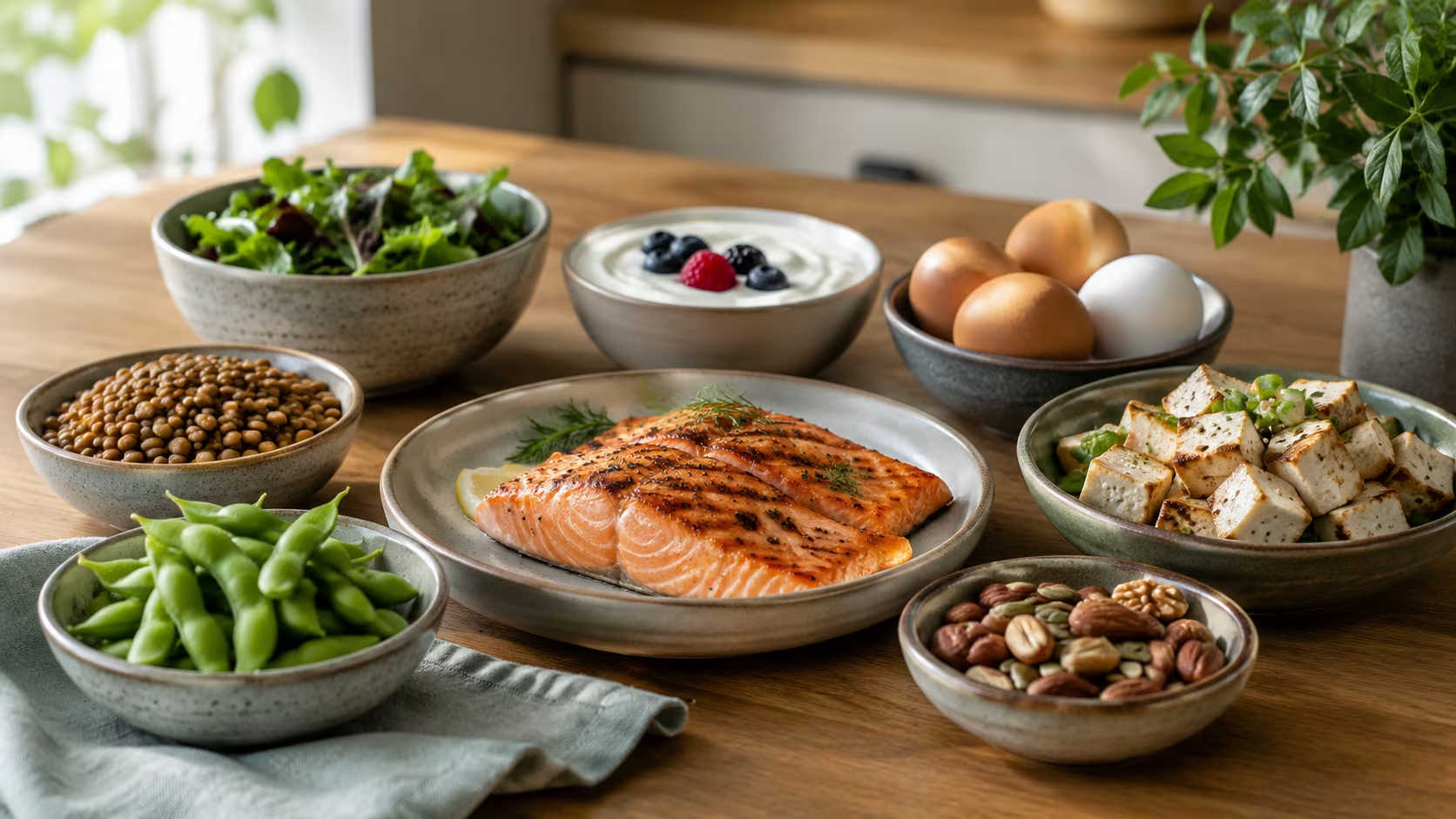
Protein sources that hit 30 g per serving in a reasonable size:
- 4 oz (115 g) cooked chicken breast: 35 g
- 4 oz cooked salmon: 28 g
- 6 oz Greek yogurt: 17 g (add 1 scoop whey to reach 30+)
- 3 large eggs + 2 egg whites: 26 g (add cottage cheese to reach 30)
- 1 cup cottage cheese: 25 g (add protein powder or yogurt)
- 1 cup cooked lentils: 18 g (add tofu or edamame)
- 1 scoop whey: 25 g
Protein at every meal also helps with satiety, blood sugar stability, and bone health (proteins are bone matrix substrate).
The Carb Question
Carbohydrate management changes during perimenopause but doesn't require severe restriction for most women. The shifts:
Insulin sensitivity declines modestly
A bagel that produced a manageable post-meal glucose curve at 30 may produce a higher peak and slower return at 50. The response is individual; continuous glucose monitoring (a 2-week experiment) can show your specific patterns.
Carb quality matters more than quantity
Whole grains, legumes, fruit, dairy, and starchy vegetables maintain insulin sensitivity better than refined carbs. The shift from white bread to whole grain, from juice to whole fruit, from cereal to oats addresses much of the metabolic concern without requiring restriction.
Timing carbs around training helps
Lifting and high-intensity work improve muscle insulin sensitivity for 24–48 hours afterward. Putting more of the day's carbs in the meals around training (and slightly fewer in sedentary evenings) tends to work well.
Severe carb restriction (under 50 g/day) works for some but not all
Some women feel substantially better on lower-carb diets during perimenopause; others develop sleep disruption, hair shedding, or extreme energy variability. Test rather than assume.
The defensible middle position: 150–250 g of carbs per day (depending on training volume) from mostly whole-food sources. Sweet potatoes, oats, beans, fruit, and whole grains rather than refined and packaged carbs.
Bone Health Nutrition
Bone loss accelerates during the menopausal transition. The protective nutrition package:
Calcium
1,000–1,200 mg per day for women over 50. Best sources: dairy (1 cup milk = 300 mg, 1 oz hard cheese = 200 mg, 1 cup yogurt = 300 mg), fortified plant milks, sardines with bones (350 mg per 3 oz), kale, and tofu set with calcium.
Vitamin D
most adults benefit from 1,000–2,000 IU per day, more if blood levels are documented low. Without adequate vitamin D, calcium absorption is poor regardless of intake.
Vitamin K2
directs calcium to bones rather than soft tissues. Found in natto (the most concentrated source), aged cheeses, egg yolks, and animal liver. Supplementation reasonable at 100–200 mcg/day for women concerned about bone density.
Protein
bone is roughly 50% protein by volume. Adequate intake (covered above) supports bone matrix.
Magnesium
covered separately on this site; 300–400 mg per day from food where possible.
Avoid excessive sodium
high sodium intake increases urinary calcium loss. The 1,500–2,300 mg/day public health range is appropriate; the 4,000+ mg some Western diets deliver is not.
Weight-bearing exercise is a separate topic, but the nutrition piece doesn't substitute for the load. Bone responds to mechanical stress, not just dietary calcium.
Body Composition and Visceral Fat
Many women report sudden mid-section weight gain in their late 40s despite no obvious change in eating habits. The science behind this:
- Estrogen normally promotes fat storage in subcutaneous depots (hips, thighs). Withdrawal of estrogen during perimenopause shifts storage toward visceral fat.
- Resting metabolic rate declines modestly: about 1–2% per decade after age 30, accelerated during menopause.
- Muscle mass loss accelerates without training: a 1–2% per year reduction is common in untrained postmenopausal women.
The two highest-impact interventions:
- Resistance training 2–4 times per week: directly addresses muscle mass loss, which protects metabolic rate
- Adequate protein at every meal, as detailed above
Caloric intake adjustment is sometimes necessary but is the least leveraged change compared to muscle preservation. A perimenopausal woman who maintains muscle, eats adequate protein, and trains will look and feel substantially better than one who simply eats less to "fight the weight gain."
Hot Flash Management Through Food
Hot flashes are the most common vasomotor symptom of perimenopause, affecting around 75% of women to some degree. Nutritional triggers and modifiers:
Common triggers
- Alcohol (especially red wine for many women)
- Caffeine in afternoon or evening
- Spicy food
- Very hot drinks and food
- Large meals
- High-sugar foods that cause blood glucose spikes and crashes
Foods with modest evidence for symptom reduction
- Soy foods (tofu, tempeh, edamame, soy milk, miso) at 1–2 servings per day. Isoflavone content modestly reduces hot flash frequency in some women, especially Asian women who consume soy regularly across the lifespan
- Flaxseed at 1–2 tablespoons per day, lignans have weak estrogenic activity
- Adequate hydration, dehydration appears to worsen vasomotor symptoms
No good evidence for
- Black cohosh (mixed trial results)
- Most herbal "menopause complex" supplements
- Mega-doses of specific vitamins beyond addressing actual deficiency
Sleep and Mood Through Nutrition
Sleep disruption is one of the most common perimenopause complaints. Nutritional contributors:
Caffeine sensitivity increases
A 2 PM coffee that didn't affect sleep at 35 may noticeably impair sleep at 50. Consider cutting off caffeine by noon during this window.
Alcohol becomes worse for sleep
Alcohol fragments sleep architecture, suppresses REM, and increases night sweats. Many women find that even small evening intake produces 3 AM waking.
Magnesium glycinate in the evening (200–400 mg) helps a subset of women with sleep onset and quality. Worth a 4-week trial.
Protein at dinner stabilizes overnight blood sugar and may reduce hypoglycemic waking.
Tart cherry juice (240 ml in the evening) raises endogenous melatonin and helps a subset of people fall asleep faster. Modest effect, real for some.
For mood: omega-3 (covered separately), adequate B vitamins from whole foods, and stable blood sugar through balanced meals matter more than any specific "mood food."
What to Skip Among the Marketing
The perimenopause supplement market has exploded over the past decade. Most products are expensive and undersupported by evidence. Generally safe to skip:
- Menopause-specific multivitamins at 3–4x the cost of standard formulations: the magic ingredients are typically just vitamin D, calcium, and B vitamins that any quality multi covers
- Adrenal fatigue supplements: adrenal fatigue is not a recognized medical diagnosis; the marketed products typically contain caffeine plus filler
- High-dose "phytoestrogen" supplements: concentrated forms have less evidence than whole-food soy and may carry risks
- Megadose vitamin E for hot flashes: modest evidence at best, potential cardiovascular concerns at very high doses
- Detox cleanses around the perimenopause transition: no physiological basis
A Practical Plate for Perimenopause
A reasonable daily template for a perimenopausal woman who trains 3–4 times per week:
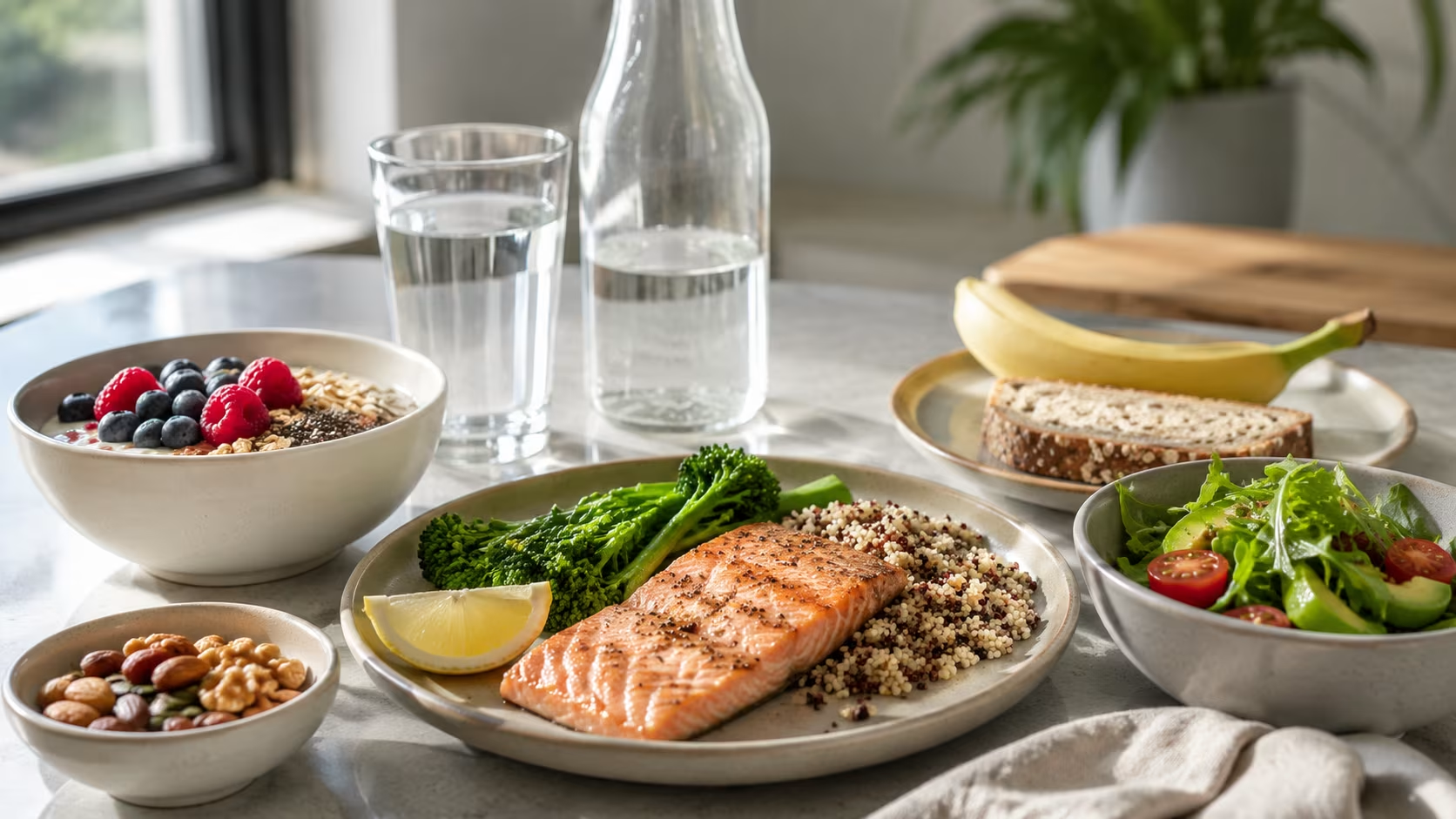
Breakfast
30 g protein (3 eggs + cottage cheese, or Greek yogurt with whey + nuts and berries), 30–50 g carbs (oats, whole-grain toast, fruit), some healthy fat (avocado, nuts, olive oil).
Lunch
30 g protein (chicken, salmon, tofu), large vegetable serving, 30–50 g carbs (rice, quinoa, sweet potato, beans), olive oil.
Snack (if hungry)
Protein-forward: Greek yogurt, cottage cheese, hard-boiled eggs, jerky, edamame.
Dinner
30 g protein, large salad or cooked vegetables, modest carb portion (especially if the day was light on training), olive oil or nuts.
Pre-bed if needed
Small serving of cottage cheese, casein shake, or Greek yogurt.
Hydration
2–3 liters of fluid per day, more in hot weather or with heavy training.
Daily total
Roughly 1,800–2,200 kcal, 110–140 g protein, 150–250 g carbs, 60–90 g fat (adjusted to your body size, training, and goals).
Frequently Asked Questions
Should I eat more protein during perimenopause?
Yes. The decline in estrogen during perimenopause coincides with increased anabolic resistance: muscle becomes less responsive to a given protein dose. Women in this stage benefit from raising intake to 1.6–2.2 g/kg/day and distributing it across 4 meals with at least 30 g protein each.
Why am I gaining weight around the middle in perimenopause?
Estrogen withdrawal shifts fat storage from hips and thighs toward the abdomen. The same calorie intake that previously produced different body composition now tends to add visceral fat. The change is real and largely hormone-driven, though it can be partially offset by resistance training and adequate protein.
Should I cut carbs in perimenopause?
Not necessarily. Insulin sensitivity does decline modestly, but cutting carbs is one approach among several. Many women do well with a moderate-carb diet emphasizing whole grains, legumes, and produce, paired with strength training. Severe carb restriction is not required for most.
Are calcium and vitamin D more important now?
Yes. Bone loss accelerates around the menopausal transition. The combination of adequate calcium (1,200 mg/day for women over 50), vitamin D (1,000–2,000 IU/day for most adults), and weight-bearing exercise is the canonical bone-health package.
What about phytoestrogens like soy?
Soy foods (tofu, tempeh, edamame, soy milk) at 1–2 servings per day are safe and may modestly reduce hot flash frequency and severity in some women. The concern that soy 'causes' hormone-related cancers is not supported by current evidence.



0 Comments
Leave a comment
Your email won't be published. Required fields are marked with *.