

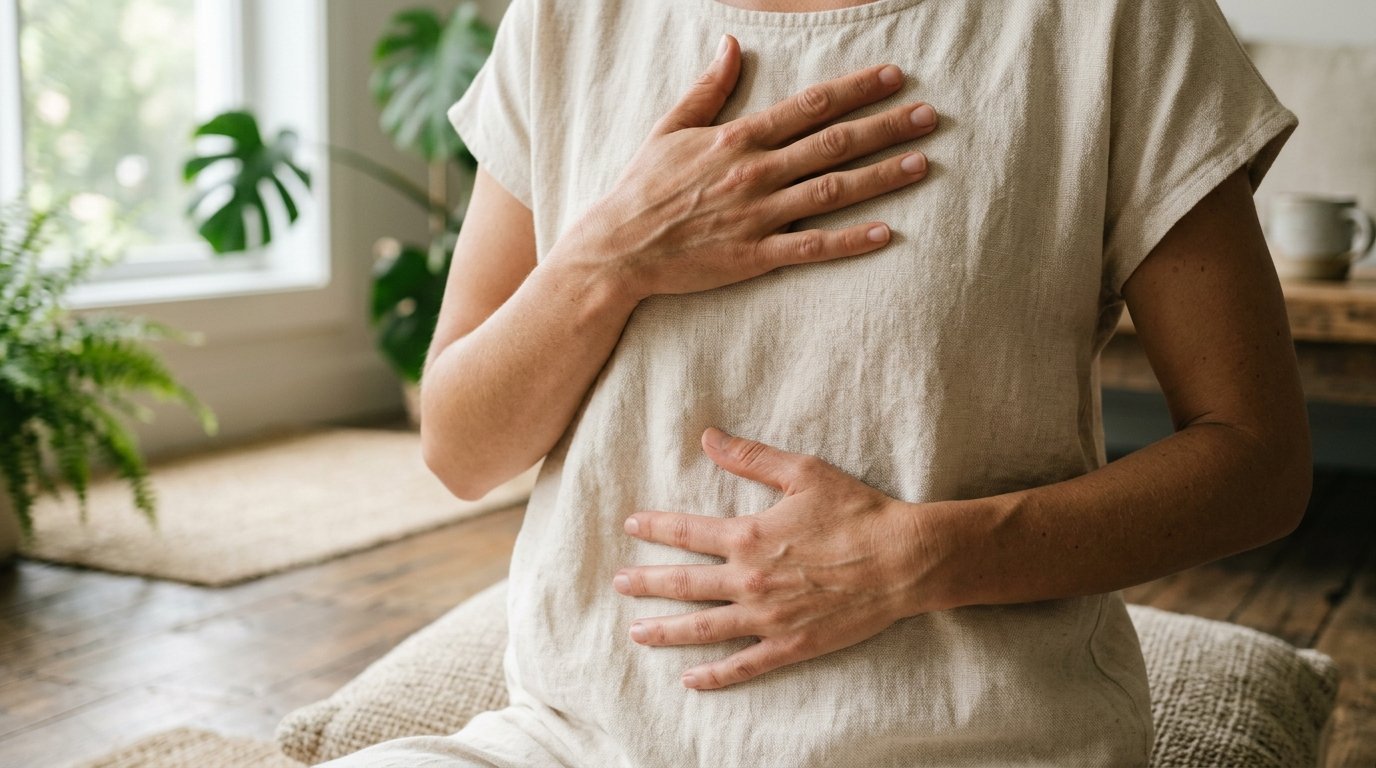
Somewhere between the overstated claims of online breathing influencers and the dismissive reaction of clinicians who consider breathing techniques soft science lies a genuinely interesting body of research. Slow, controlled breathing (specifically breathing at approximately 4–6 breaths per minute rather than the typical 12–20) produces measurable changes in heart rate, blood pressure, cortisol, and HRV (heart rate variability) that are consistent across multiple well-designed trials. These are not trivially small effects; the magnitude is clinically meaningful for people with hypertension and stress-related disorders.
The practice has been called by many names: diaphragmatic breathing, resonance breathing, pranayama (in yoga traditions), coherent breathing, and tactical breathing (in military training contexts). The specific techniques differ in their inhalation and exhalation ratios, the role of breath holds, and whether nasal or mouth breathing is emphasized. But the core physiological mechanism (that slowing breathing rate activates the vagus nerve and shifts autonomic balance toward parasympathetic dominance) is consistent across traditions and increasingly well-understood.
This article explains that mechanism, reviews the evidence for specific outcomes, and provides four techniques with distinct applications.
What the evidence shows
The autonomic nervous system has two primary branches: sympathetic (accelerating heart rate, increasing alertness, mobilizing energy) and parasympathetic (slowing heart rate, promoting digestion, facilitating rest). Most of daily life involves continuous dynamic balance between them. Chronic stress biases the system toward sympathetic dominance, resulting in elevated resting heart rate, reduced HRV, impaired digestion, and heightened anxiety reactivity.
The vagus nerve is the primary parasympathetic pathway, running from the brainstem to the heart, lungs, and viscera. Each exhalation stretches the lungs and stimulates stretch receptors (pulmonary afferents), which signal the brainstem to reduce heart rate via vagal output; this is the mechanism behind the normal cardiac phenomenon of respiratory sinus arrhythmia (RSA), where the heart speeds up during inhalation and slows during exhalation. Slow breathing, particularly with extended exhalations, amplifies this effect.
At a breathing rate of approximately 4.5–6 breaths per minute (approximately 5 seconds in / 5 seconds out), the respiratory cycle entrains with the body's natural 10-second cardiovascular regulatory oscillation, producing what is called resonance frequency breathing. This produces maximal HRV amplitude (the largest measurable oscillation in heart rate between beats), which is interpreted as a state of high cardiac vagal control.
A 2017 review in Frontiers in Human Neuroscience analyzing 15 randomized controlled trials found that slow-paced breathing significantly improved HRV and reduced blood pressure, with effects apparent after as little as five minutes of practice. A 2019 meta-analysis in the same journal found that diaphragmatic breathing training reduced cortisol levels and negative affect in several trials. These effects are acute (within the session) and cumulative (with regular practice, resting HRV improves and the sympathetic bias is reduced over weeks).
Evidence for specific clinical applications:
- Hypertension: A 2019 RCT in Hypertension found that device-guided slow breathing (15 minutes/day, 6 breaths/minute) reduced systolic blood pressure by an average of 7.7 mmHg over eight weeks, a clinically significant reduction comparable to some antihypertensive medications.
- Anxiety and panic disorder: Multiple trials show slow breathing reduces acute anxiety scores and physiological anxiety markers. Paced breathing is a standard component of exposure therapy protocols for panic disorder.
- Athletic performance: Pre-competition slow breathing protocols reduce performance anxiety and optimize arousal without sedating effects on focus or reaction time.
The evidence for Wim Hof-style hyperventilation protocols (rapid breathing followed by breath holds) is more preliminary and the population of trials is smaller. The mechanism is different (CO₂ reduction rather than vagal activation), and the practice is not recommended without guidance for people with cardiovascular conditions or a history of fainting.
How to apply it
Technique 1: 4-7-8 breathing (acute stress and sleep) Inhale for 4 counts, hold for 7, exhale for 8. The extended exhale activates the vagus nerve; the hold increases CO₂ slightly, which has a calming effect. Developed by Andrew Weil, this technique is widely used and has reasonable mechanistic support. It's particularly useful for pre-sleep anxiety and acute stress. Practice 4–8 cycles (about 3–5 minutes). Note: the breath hold can cause lightheadedness initially, so sit down.
Technique 2: Resonance breathing / coherent breathing (daily HRV training) 5 seconds in, 5 seconds out. No holds. Through the nose. Breathe at this rate for 10–20 minutes daily to train resting HRV over weeks. This is the most studied protocol in the HRV training literature. Apps like Paced Breathing on iOS or HeartMath's Inner Balance device guide this rate. Optimal practice time: morning, before screens and caffeine if possible.
Technique 3: Box breathing (focus and acute stress, especially in demanding contexts) 4 seconds in, 4 seconds hold, 4 seconds out, 4 seconds hold. Used extensively in military training (Navy SEAL training protocols use this under the name "tactical breathing"). The symmetrical structure is easy to remember under stress. Appropriate for pre-performance use, during high-stakes situations, and as a brief reset. Works in 4–8 cycles (about 2 minutes).
Technique 4: Physiological sigh (fastest acute effect) Double inhale through the nose (full breath, then an extra sniff to expand remaining alveolar space), followed by one long, complete exhale through the mouth. One to three cycles. This technique, studied by the Spiegel and Huberman groups at Stanford, produces the fastest measurable heart rate reduction of any breathing technique, effective within 30–60 seconds. Use during active acute stress: before a difficult conversation, after startling news, or when anxiety is already elevated.
Beginner version
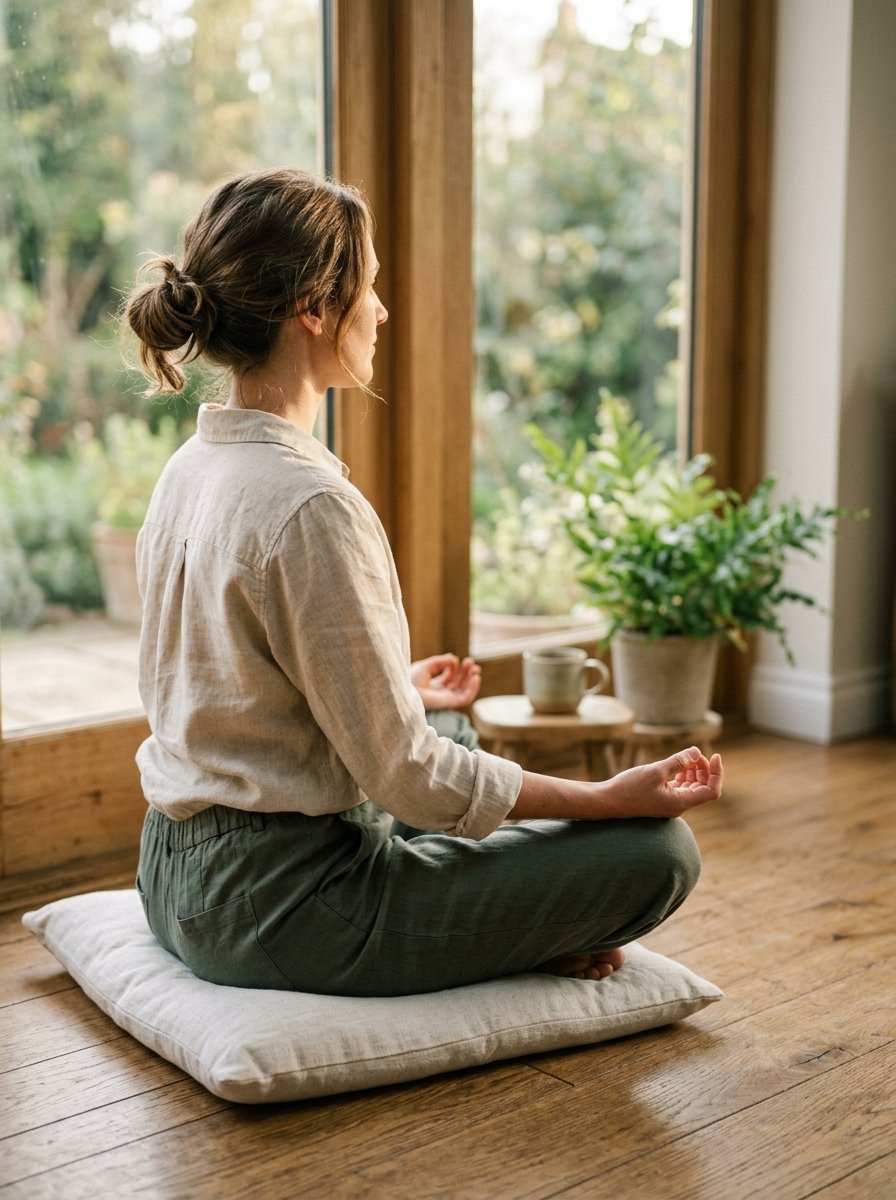
Start with technique 4 (physiological sigh) for acute moments and technique 2 (resonance breathing, 5 minutes) for daily practice. These two cover the acute and chronic dimensions without complexity.
Progression
After two weeks of consistent resonance breathing, extend sessions to 10–15 minutes and add HRV tracking (a Polar H10 chest strap with the EliteHRV app provides accurate HRV data for this purpose, at much lower cost than dedicated biofeedback devices).
Common mistakes
Breathing through the mouth during resonance practice
Nasal breathing filters, humidifies, and slows airflow compared to mouth breathing, producing better resonance frequency entrainment and greater nitric oxide production (which has vasodilatory effects). For the daily 20-minute resonance practice, nasal-in, nasal-out is preferable.
Hyperventilating during extended practice
Breathing too deeply or too quickly for an extended period lowers CO₂ below normal levels, producing dizziness, tingling extremities, and occasionally lightheadedness or fainting. The target is slow, comfortable, relatively shallow breathing, not maximum lung capacity on each breath.
Expecting immediate cumulative benefit
Acute sessions produce measurable acute changes. The cumulative resting HRV improvement that indicates long-term autonomic adaptation takes four to eight weeks of consistent daily practice to establish. Don't measure success by whether you feel calmer after one session; that's too short a feedback loop.
Using breathwork to avoid the anxiety trigger
Breathwork is most appropriately used as a regulation tool, not an avoidance strategy. Using it to avoid anxiety-provoking situations (rather than to modulate physiological arousal before engaging with them) may reinforce avoidance patterns over time.
Confusing breathwork with breath-holding exercises
Extended breath holds (as in some advanced pranayama practices) significantly reduce blood oxygen and should not be practiced while driving, in water, or by people with cardiovascular conditions. The techniques described here do not involve prolonged breath holds and are appropriate for most healthy adults.
When to see a professional
Consult a physician before beginning intensive breathwork practice if you have: cardiovascular disease, including arrhythmias (breath holds and rapid changes in intrathoracic pressure can trigger arrhythmia); epilepsy (some hyperventilation patterns can lower seizure threshold); or are pregnant (intrathoracic pressure changes from breath holds are generally not recommended). For anxiety disorders, breathwork as a self-management tool is appropriate; as a replacement for clinical treatment of moderate to severe anxiety, it's insufficient on its own. A trained yoga or breathwork instructor can help with technique in the first few weeks.
Frequently asked questions
How long before daily resonance breathing produces lasting results?
Acute heart rate slowing and subjective stress reduction occur within the first session. Measurable improvement in resting HRV (the cumulative training adaptation that indicates lasting autonomic change) typically takes four to eight weeks of consistent daily practice at 10–20 minutes per day. Most people notice better resilience to stressors within three to four weeks of consistent practice, before HRV metrics fully shift.
Can breathwork meaningfully lower blood pressure?
For people with mild to moderate hypertension, yes. A 2019 randomized controlled trial in Hypertension found device-guided slow breathing at 6 breaths per minute for 15 minutes daily reduced systolic blood pressure by an average of 7.7 mmHg over eight weeks, a clinically significant reduction. For people on antihypertensive medication, discuss breathwork as an adjunct with your cardiologist and do not discontinue medication in favor of breathwork without medical guidance.
What is the best time of day to practice?
Morning practice (before caffeine, screens, and the cumulative stress accumulation of the day) is the standard recommendation for HRV training protocols. The autonomic nervous system responds well when cortisol is in its natural morning rise rather than already chronically elevated. That said, consistent practice at any time produces cumulative benefit. Pre-sleep techniques (4-7-8 breathing, long exhalation focus) are better suited to evenings specifically.
Is breathwork safe with asthma?
Slow, relaxed diaphragmatic breathing through the nose is generally safe and potentially beneficial for mild to moderate asthma: several trials have found Buteyko-style breathing reduces reliever inhaler use. Extended breath holds are more cautious territory and should not be attempted without consulting your respiratory physician. Stop any breathwork that produces wheezing, chest tightness, or changes in your asthma symptoms.



0 Comments
Leave a comment
Your email won't be published. Required fields are marked with *.