

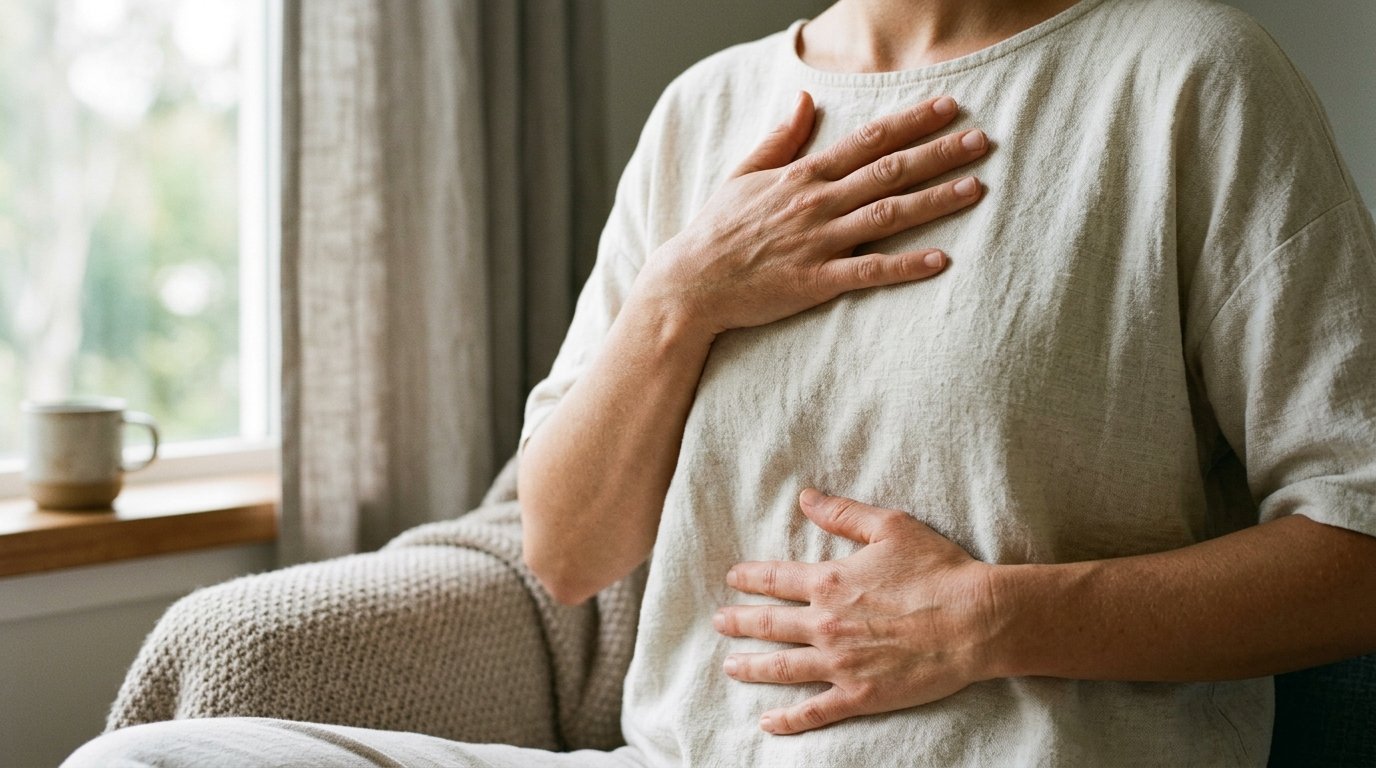
Anxiety disorders are the most prevalent mental health conditions worldwide, affecting an estimated 284 million people globally according to the Global Burden of Disease Study. In the United States, the Anxiety and Depression Association of America estimates that anxiety disorders affect 40 million adults annually (roughly 18% of the population), and a substantial proportion of people who meet clinical criteria for an anxiety disorder never receive treatment.
One reason people don't seek treatment is that anxiety is often experienced as a personal failing: a sign of weakness, oversensitivity, or catastrophizing that a more resilient person would overcome by force of will. This framing is both inaccurate and counterproductive. Anxiety is a physiological event involving well-characterized neurological and hormonal systems that operate largely below the threshold of conscious control. Understanding those systems doesn't cure anxiety, but it does make the available interventions (including breathwork, physical exercise, cognitive restructuring, and pharmacotherapy when appropriate) considerably more intelligible, and therefore more usable.
This article explains the basic physiology and summarizes what the evidence supports for non-pharmacological self-management. It is not a substitute for professional mental health care for clinically significant anxiety.
What the evidence shows
The anxiety response involves two primary systems working in concert: the sympathetic nervous system (the "fight-or-flight" response) and the hypothalamic-pituitary-adrenal (HPA) axis (the cortisol system). These operate on different timescales but interact continuously.
The sympathetic response is fast. When the amygdala (the brain's threat-detection center) identifies a stimulus as potentially dangerous (through pattern-matching with prior experience, which is why anxiety generalizes), it sends rapid signals via the locus coeruleus to release norepinephrine throughout the brain and body. Norepinephrine triggers: accelerated heart rate, bronchodilation (widened airways to increase oxygen uptake), peripheral vasoconstriction (blood redirected from the gut and skin to major muscles), pupil dilation, sweat gland activation, and suppression of non-essential functions like digestion and detailed cognitive processing. This cascade happens within seconds. The "racing heart" and "chest tightness" most people identify as anxiety are this sympathetic response.
The HPA axis is slower. The hypothalamus signals the pituitary to release adrenocorticotropic hormone (ACTH), which signals the adrenal glands to release cortisol. This takes 20–30 minutes. Cortisol mobilizes glucose from liver stores (fueling the anticipated physical response), suppresses immune function temporarily, and modulates the amygdala's further threat-detection sensitivity. Chronically elevated cortisol (the state produced by persistent, unresolved anxiety or chronic stress) has downstream effects on sleep quality, immune function, hippocampal volume (the memory-consolidation region of the brain), and long-term anxiety sensitivity.
Heart rate variability (HRV) is a measure of the variation in time between heartbeats, and it reflects the balance between sympathetic and parasympathetic (vagal) nervous system tone. Higher HRV generally indicates better parasympathetic regulation capacity: the ability to modulate the sympathetic response. Lower HRV is associated with anxiety disorders, depression, and cardiovascular risk. This is relevant because parasympathetic (vagal) tone is trainable (through exercise, specific breathing patterns, cold exposure, and meditation), and improving it has measurable effects on anxiety symptom severity.
The research on non-pharmacological interventions is extensive:
A 2018 meta-analysis in JAMA Psychiatry found that exercise (particularly aerobic exercise at 60–80% of max heart rate) produced a significant reduction in anxiety symptoms across 49 trials, with effects comparable to some pharmacotherapy at moderate levels of anxiety.
A 2023 systematic review in JAMA Network Open found mindfulness-based interventions produced significant and durable reductions in anxiety symptoms compared to control conditions across 30 trials.
Breathwork (specifically slow, diaphragmatic breathing at 4–6 breaths per minute) directly activates the vagus nerve and has been shown in multiple trials to reduce subjective anxiety and measurably increase HRV within a single session.
How to apply it
These are evidence-based, non-pharmacological strategies ordered by implementation speed: from acute use (when anxiety is happening) to chronic management (reducing baseline anxiety over time).
Acute: Physiological sigh (2–5 minutes) A technique studied by David Spiegel and Andrew Huberman's group at Stanford: a double inhale through the nose (first a full breath, then a small extra sniff to fully expand the alveoli) followed by a long, slow exhale. The double inhale recruits collapsed alveoli (reducing blood CO₂ rapidly) and the long exhale activates the vagus nerve, slowing the heart rate. One to three cycles produce measurable heart rate reduction within 30–60 seconds. Use during active anxiety.
Acute: Box breathing (5 minutes) 4 counts in → 4 counts hold → 4 counts out → 4 counts hold. Used widely in clinical settings and military stress management training. The 4-second exhale and hold activates parasympathetic tone. No special equipment, no setting required. A 2017 study in Frontiers in Human Neuroscience found significant cortisol reduction and subjective anxiety improvement after 20 minutes of slow-paced breathing training.
Short-term: Aerobic exercise (20–30 minutes, 3× per week) A single session of moderate-intensity aerobic exercise reduces state anxiety for up to four hours, a well-replicated finding across dozens of studies. The mechanism includes norepinephrine metabolism, BDNF release (brain-derived neurotrophic factor, which supports neuroplasticity and has antidepressant effects), and endocannabinoid system activation. Over weeks, regular aerobic exercise produces durable reductions in trait anxiety (baseline anxiety levels) through structural changes in the amygdala and hippocampus.
Short-term: Cold water exposure (1–3 minutes) Brief cold exposure (cold shower, face submersion) triggers a sympathetic spike followed by a parasympathetic rebound. With regular exposure, the magnitude of the sympathetic response decreases: tolerance builds. Evidence on cold water immersion for anxiety is preliminary and largely mechanistic, but the practice has a reasonable theoretical basis and low risk for healthy adults.
Chronic management: Meditation and mindfulness practice Eight to twelve weeks of regular mindfulness meditation practice (8–10 minutes daily is a meaningful dose based on the research in MBSR programs) produces measurable structural changes in the amygdala: reduced gray matter density in the right amygdala, which correlates with reduced anxiety reactivity. Apps like Headspace and Calm use validated MBSR-adjacent protocols; the research on app-based mindfulness specifically is limited but growing.
Beginner approach
Start with physiological sighs for acute anxiety (learn the technique in two minutes, apply as needed) and add three aerobic exercise sessions per week. After four weeks, introduce five to ten minutes of mindfulness practice daily.
Common mistakes
Using avoidance as the primary anxiety management strategy
Avoidance of anxiety-provoking situations reduces acute discomfort but increases anxiety sensitivity over time: the brain learns that the avoided situation is genuinely threatening. Exposure, not avoidance, is the mechanism of anxiety reduction. This is fundamental to cognitive behavioral therapy (CBT) for anxiety.
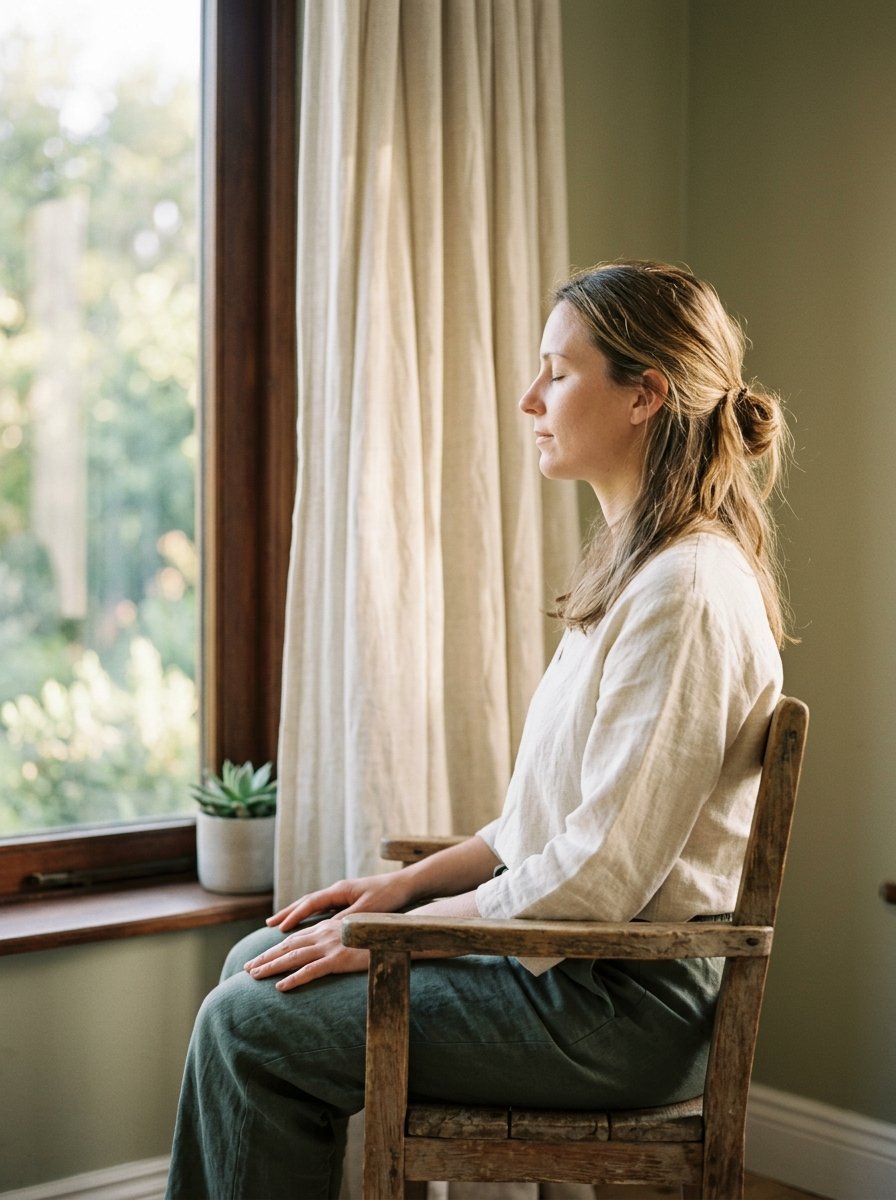
Controlled breathing during hyperventilation
Hyperventilation during panic is a drop in CO₂, not a drop in oxygen. The correct acute response is to slow the breathing rate and extend the exhale, not to breathe rapidly into a paper bag (which increases CO₂ rapidly and can cause dizziness). Physiological sighs and box breathing are physiologically appropriate; hyperventilating is not.
Interpreting anxiety symptoms as catastrophic
Racing heart and chest tightness during anxiety are not heart attacks. The physiological experience of anxiety mimics some cardiac symptoms, and catastrophic interpretation of those symptoms can amplify the anxiety loop. Cognitive reappraisal (labeling the experience accurately as anxiety physiology rather than danger) is a CBT skill that measurably reduces symptom severity.
Relying only on acute interventions without chronic management
Breathing techniques and exercise reduce state anxiety; they don't automatically retrain the amygdala or alter threat-detection patterns. Chronic anxiety benefits from chronic management: the structural changes that reduce baseline anxiety sensitivity require weeks to months of consistent practice.
Treating coffee as neutral
Caffeine at doses above 200–400mg (two to four standard cups) reliably increases anxiety symptoms in people with anxiety disorders and in some individuals without them. Caffeine has a half-life of approximately five hours: a 3 PM coffee is still 50% active at 8 PM, when anxiety often spikes. Timing and dose matter.
When to see a professional
Seek evaluation from a mental health professional (psychiatrist, psychologist, or licensed therapist) if: anxiety is significantly interfering with work, relationships, or daily function; you're using alcohol or substances to manage anxiety; you have panic attacks (distinct physiological events with specific diagnostic criteria); symptoms have been present for more than six months; or you have thoughts of self-harm. Effective pharmacological and psychotherapeutic treatments for anxiety disorders exist: CBT has the strongest evidence base of any psychological intervention for anxiety, and medication is often highly effective for moderate to severe presentations. Self-management strategies are supplements, not replacements, for clinical care.
Frequently asked questions
How quickly does breathwork reduce anxiety?
The physiological sigh (a double inhale followed by a long exhale) produces measurable heart rate reduction within 30–60 seconds in most people. Subjective anxiety reduction typically follows within two to three minutes of sustained slow breathing. This is a real, acute effect on the parasympathetic nervous system, not a placebo. The acute effect doesn't produce lasting change unless practiced consistently, which over weeks begins to improve baseline vagal tone.
Is anxiety disorder partly genetic?
Twin studies consistently estimate roughly 30–40% of anxiety disorder risk as heritable, meaning genetics is significant but not deterministic. A genetic vulnerability to anxiety-sensitive nervous system wiring is modified by early life experience, learning, stress exposure, and neuroplasticity. People with anxiety-prone neurobiology can and do see substantial symptom improvement through psychotherapy, exercise, and medication: the nervous system remains trainable throughout life.
Can exercise actually replace anti-anxiety medication?
For mild to moderate anxiety, exercise produces effects in the range of some first-line pharmacotherapy in head-to-head comparisons. A 2023 Lancet Psychiatry analysis found this for moderate anxiety specifically. For moderate to severe anxiety disorders, medication and psychotherapy typically produce larger and more reliable effects. Exercise is most accurately described as a robust adjunct to clinical treatment, not a universal replacement: especially not for panic disorder or clinical generalized anxiety disorder.
What about supplements like magnesium or ashwagandha for anxiety?
Magnesium deficiency (common in high-caffeine and high-alcohol consumers) is associated with increased anxiety, and correcting deficiency demonstrably helps some people. Supplementing above adequate levels has weaker evidence. Ashwagandha has several randomized controlled trials showing modest anxiety reduction in stress-related presentations: a 2019 trial in Medicine found 240mg/day reduced cortisol and self-reported anxiety versus placebo over 60 days. The evidence is preliminary; discuss with your physician before using either alongside medications.


0 Comments
Leave a comment
Your email won't be published. Required fields are marked with *.