


The omega-3 supplement category has grown into one of the largest segments of the supplement industry over the past 20 years, driven by population observation studies linking high fish intake to lower cardiovascular disease rates. The truth in 2026 is somewhere between the strongest claims (fish oil prevents heart disease) and the dismissive ones (omega-3 is a marketing fad). The mechanisms are real. The clinical effects depend heavily on what you're trying to address, the dose, and the form.
What Omega-3s Actually Do
Omega-3 fatty acids are a class of polyunsaturated fats with the first double bond at the third carbon from the methyl end. The three biologically relevant forms:
EPA (eicosapentaenoic acid)
20 carbons, 5 double bonds. Primarily produced from fatty fish. Anti-inflammatory effects through eicosanoid pathway shifts (away from inflammatory series-2 prostaglandins and toward less-inflammatory series-3). Strong evidence for cardiovascular triglyceride lowering and inflammation modulation.
DHA (docosahexaenoic acid)
22 carbons, 6 double bonds. Concentrated in brain phospholipids and retinal membranes. Important for neural function, vision, and during fetal/infant development.
ALA (alpha-linolenic acid)
18 carbons, 3 double bonds. Found in flaxseed, chia, walnuts. The human body can convert ALA to EPA (about 5% efficiency) and to DHA (less than 1% efficiency). ALA has independent benefits for cardiovascular health but does not efficiently substitute for direct EPA/DHA intake.
The Western diet is high in omega-6 fatty acids (vegetable oils, processed foods) and relatively low in omega-3. The ratio has shifted from roughly 1:1 omega-6 to omega-3 in ancestral diets to 15:1 or higher in modern Western diets. Whether this ratio itself causes health problems is contested, but the absolute deficiency of omega-3 is real for most people.
Sources: EPA, DHA, and ALA
The most efficient dietary sources of EPA and DHA:

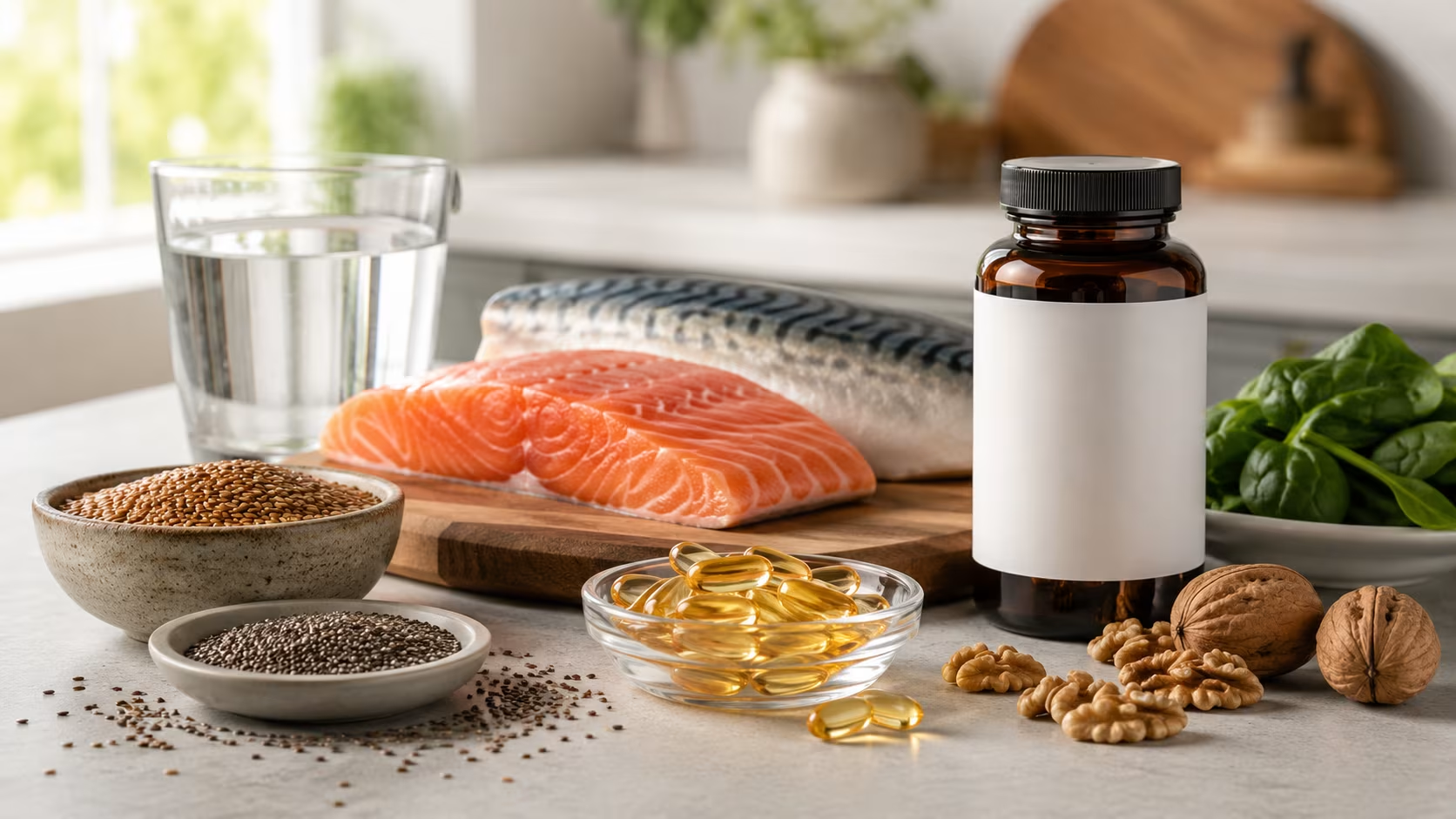
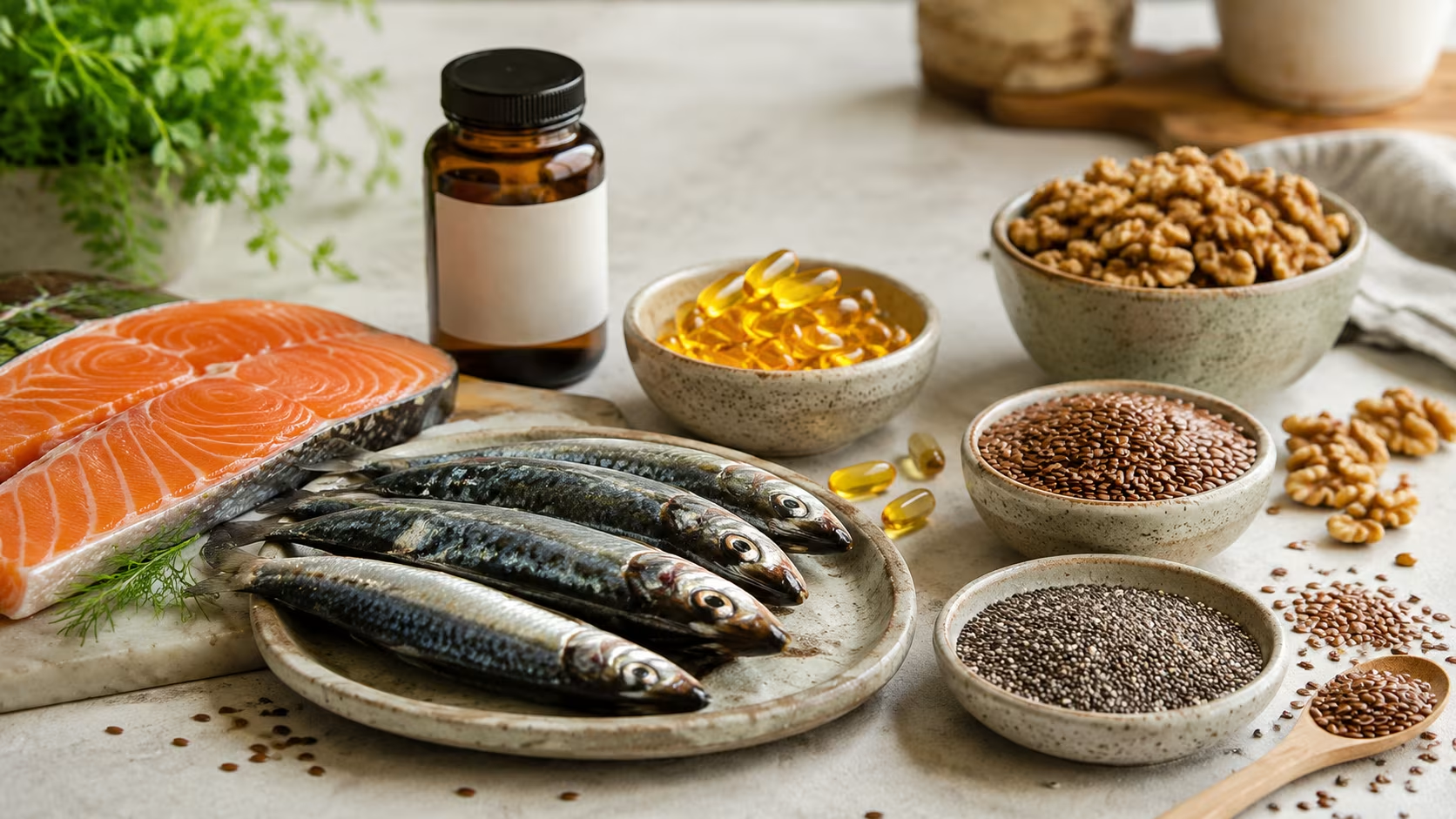
- Salmon (Atlantic, wild): 1,500–2,000 mg per 100 g serving
- Mackerel: 2,500–4,000 mg per 100 g
- Sardines: 1,500–2,000 mg per 100 g
- Herring: 2,000–2,500 mg per 100 g
- Anchovies: 1,500–2,500 mg per 100 g
Other fish (tuna, cod, halibut) contain meaningful but lower amounts. Lean white fish provides protein without much omega-3.
ALA sources:
- Flaxseed (ground): 2,400 mg per tablespoon
- Chia seeds: 1,800 mg per tablespoon
- Walnuts: 2,500 mg per ounce
- Hemp seeds: 1,000 mg per tablespoon
Two servings of fatty fish per week provides approximately 1.5–2 grams of EPA + DHA on average, close to the standard dosing target. For people who eat fatty fish rarely or never, supplementation reliably closes the gap.
What the Trials Show for Different Conditions
Cardiovascular disease
the largest body of evidence. The most recent major trials (VITAL 2018, REDUCE-IT 2018, STRENGTH 2020) show mixed results, with high-purity EPA-only formulations (icosapent ethyl, brand name Vascepa) showing meaningful cardiovascular event reduction in high-risk patients on statins. The evidence for standard fish oil supplements in low-risk healthy adults is more modest. Triglyceride lowering at higher doses (3–4 g EPA + DHA) is well-established.
Brain health and cognition
moderate evidence. DHA is critical for brain development in fetal and infant life. Adult cognitive benefits are less clear; some trials show modest improvements in mood and cognition with sustained supplementation, others show no effect.
Inflammation and joint health
moderate evidence. Several meta-analyses have shown reduced joint pain and morning stiffness in rheumatoid arthritis with 2.6–7 g/day of omega-3, alongside conventional treatment.
Mood and depression
moderate evidence. EPA-dominant formulations (around 1 g EPA per day) show modest antidepressant effects in some trials, particularly as an adjunct to standard antidepressant therapy.
Pregnancy
strong evidence for DHA. Around 200–300 mg DHA per day during pregnancy supports fetal brain and visual development. Many prenatal vitamins now include DHA for this reason.
Athletic recovery
limited but suggestive evidence. Studies in resistance-trained athletes have shown reduced muscle soreness and inflammation markers with 2–4 g/day supplementation, though performance benefits are inconsistent.
Dosing for General Health vs Specific Conditions
The doses below refer to combined EPA + DHA, not total fish oil weight. A 1,000 mg fish oil capsule typically contains 300 mg EPA + DHA; concentrated formulations get to 600–800 mg per capsule.
General health maintenance
250–500 mg EPA + DHA per day. This is the public health recommendation for the general population and the lower bound for cardiovascular benefit.
Active adult / preventive cardio target
1,000–2,000 mg per day. The dose that aligns with two servings of fatty fish per week and matches the upper range of observational benefit data.
Triglyceride lowering / inflammation
2,000–4,000 mg per day. Higher doses require medical guidance because of potential bleeding risk and interaction with other lipid-lowering therapy.
Pregnancy
Minimum 200 mg DHA per day, often 300–500 mg combined EPA + DHA.
Most adults can hit the active-adult target with 2 capsules of a 600 mg EPA+DHA concentrate or 3–4 capsules of a standard 1,000 mg fish oil per day. Take with food to reduce GI side effects.
Fish Oil vs Krill vs Algae Oil
Standard fish oil
extracted from fatty fish, typically as ethyl esters (less expensive) or re-esterified triglycerides (more expensive, slightly better absorbed). Most common and least expensive. The form taken in most clinical trials.
Triglyceride-form fish oil
naturally occurring form, marginally better absorption than ethyl ester form. Often marketed as "rTG."
Krill oil
extracted from Antarctic krill. EPA/DHA bound to phospholipids rather than triglycerides, which improves absorption slightly. Contains the antioxidant astaxanthin. Significantly more expensive. The clinical difference vs standard fish oil is small.
Algae oil
produced from cultured microalgae (the original source of EPA/DHA in the marine food chain). Originally DHA-only formulations; modern algae oils provide both EPA and DHA in similar ratios to fish oil. Plant-based, no ocean contamination concerns. The right choice for vegetarians/vegans.
Cod liver oil
fish liver oil (rather than body oil) containing EPA, DHA, plus high amounts of vitamins A and D. Useful for the vitamin content; less appropriate for high-dose omega-3 supplementation because of vitamin A accumulation risk at multi-gram doses.
For most people: standard concentrated fish oil (look for 60–80% EPA+DHA by weight, around 600–800 mg EPA+DHA per capsule) is the cost-effective choice. Algae oil if vegan or wanting to avoid fish-source supplements.
Reading the Label
Three things on the label matter most:
EPA + DHA per serving (not total fish oil)
a 1,000 mg capsule of standard fish oil typically contains 180 mg EPA + 120 mg DHA = 300 mg combined. A concentrated capsule of the same size might contain 400 mg EPA + 300 mg DHA = 700 mg combined. The total fish oil number is mostly filler.
Third-party testing certifications
IFOS (International Fish Oil Standards), NSF, USP, or ConsumerLab certifications confirm purity and oxidation level. Important because fish oil oxidizes if poorly processed or stored, and oxidized oil has the opposite of the desired effect.
Source and form
wild-caught, sustainably sourced fish oil from cold-water fatty fish (salmon, anchovies, sardines, mackerel) is the standard. Cheap fish oil is sometimes made from menhaden or other lower-quality sources and may have higher oxidation markers.
Skip:
- "Proprietary blends" that don't disclose EPA and DHA amounts
- Fish oils sold in bulk plastic bottles without dark coloring or refrigeration recommendations
- Products without third-party testing certifications when paying premium prices
- Single-source krill oil at 4x the cost of equivalent EPA+DHA from fish oil unless you specifically prefer it
Side Effects and Drug Interactions
The most common side effects of omega-3 supplementation:
- Fishy burps and reflux: most common with low-quality oils; can be mitigated by taking with food, freezing capsules, or switching to a higher-quality oil
- Mild GI upset: typically dose-dependent and resolves with continued use
- Increased bleeding tendency: at very high doses (>4 g/day), reduced platelet aggregation may extend bleeding time. Stop supplementation 1–2 weeks before scheduled surgery.
Drug interactions:
- Blood thinners (warfarin, apixaban, etc.): modest additive effect on bleeding; discuss with prescriber before high-dose supplementation
- Antihypertensive medications: omega-3s can lower blood pressure modestly, potentially additive with medication
For most healthy adults at typical supplemental doses (1–2 g EPA + DHA per day), side effects are minimal and serious risks are rare.
Practical Recommendation
For most adults who don't eat fatty fish twice a week, the simplest reasonable supplementation looks like:
- 1,000–2,000 mg EPA + DHA per day
- Concentrated fish oil or algae oil from a third-party-tested brand
- Taken with food, ideally with the largest fat-containing meal of the day
- Stored in a cool, dark place (some manufacturers recommend refrigeration after opening)
Expected costs in 2026: $15–35 per month for a quality, concentrated, certified product. Much cheaper options exist but the quality control on cheap fish oil is unreliable enough that the savings often don't pay off.
If your fish intake is already adequate (2+ servings of fatty fish per week), the marginal benefit of supplementation is minimal. Save the money.
Frequently Asked Questions
How much EPA and DHA should I take daily?
For general cardiovascular and brain health, 1–2 grams combined EPA + DHA per day is the standard recommendation. For triglyceride lowering or active inflammatory conditions, doses of 2–4 grams may be appropriate but should be discussed with a clinician. Read the label for actual EPA/DHA content, not total fish oil: most 1,000 mg fish oil capsules contain only 300 mg of EPA + DHA.
Is fish oil or algae oil better?
Fish oil contains both EPA and DHA in higher concentrations. Algae oil is plant-based, traditionally higher in DHA than EPA, and now available in EPA-equivalent formulations. Both work; algae oil is the right choice for vegetarians/vegans and avoids ocean contamination concerns.
Does fish oil cause that fishy burp?
Yes if the oil is oxidized or low-quality. Freezing capsules slows the gastric release and reduces burping. Higher-quality, IFOS-certified or third-party-tested oils oxidize less and cause less reflux. Take with a meal to further reduce it.
Should I take krill oil instead?
Krill oil has slightly better absorption than standard fish oil because EPA and DHA come bound to phospholipids rather than triglycerides. The actual clinical difference is small. Krill is more expensive and the sustainability picture is debated. Standard fish oil at adequate dose works for most people.
Do I need omega-3 if I eat fish?
If you eat fatty fish (salmon, mackerel, sardines, herring) at least twice a week, you're probably hitting the EPA/DHA target from food and don't need supplementation. If your fish intake is closer to once a week or less, supplementation closes the gap reliably.





0 Comments
Leave a comment
Your email won't be published. Required fields are marked with *.