


Hydration has become a wellness preoccupation. Apps remind you to drink. Influencer-favored water bottles hold a half gallon and have hourly time markers. Medical professionals, athletic trainers, and wellness coaches all advise drinking more water than people probably need.
The basic biology is simple: drink when thirsty, eat foods that contain water, and your body manages hydration well. The elaborate tracking and infrastructure that's grown around hydration is largely unnecessary for healthy adults. But for some people in some situations, hydration habits do produce real benefits.
Here's a careful look at when hydration habits help and when they're elaborate solutions to non-existent problems.
The body's hydration system
The body has highly sensitive systems for maintaining fluid balance. Specialized hypothalamic cells called osmoreceptors detect changes in blood concentration and trigger thirst when fluid is needed. The kidneys adjust water excretion based on hydration status. These systems work without conscious attention in healthy adults.
The accuracy of this system is high. Blood osmolality is maintained within a very narrow range across a wide range of fluid intakes and conditions. People in different climates with different drinking patterns all maintain similar blood concentration through these regulatory mechanisms.
Thirst is a reliable indicator of fluid need for most adults. The "by the time you're thirsty, you're already dehydrated" framing is misleading. Thirst activates with small changes in blood concentration, before significant dehydration. Acting on thirst signals is generally adequate.
The exceptions where the system is less reliable:
Older adults
Thirst response weakens with age. Adults over 65 may not feel thirsty until more dehydrated than younger adults would. This makes deliberate hydration habits more useful.
Athletes during intense exercise
Performance focus can override thirst perception. In hot conditions or long sessions, more deliberate hydration is appropriate.
People with certain medical conditions
Diabetes insipidus, certain medications, or other conditions can affect fluid regulation.
People in unusual environmental conditions
Hot weather, dry air at altitude, certain occupational settings may exceed what passive thirst response handles.
Pregnant and lactating women
Fluid needs are elevated and the body's signaling may not fully capture the need.
For most healthy adults in normal conditions, the body handles hydration well without elaborate intervention. The wellness industry's framing of hydration as a constant project to optimize doesn't match the underlying physiology.
Who actually needs hydration tracking
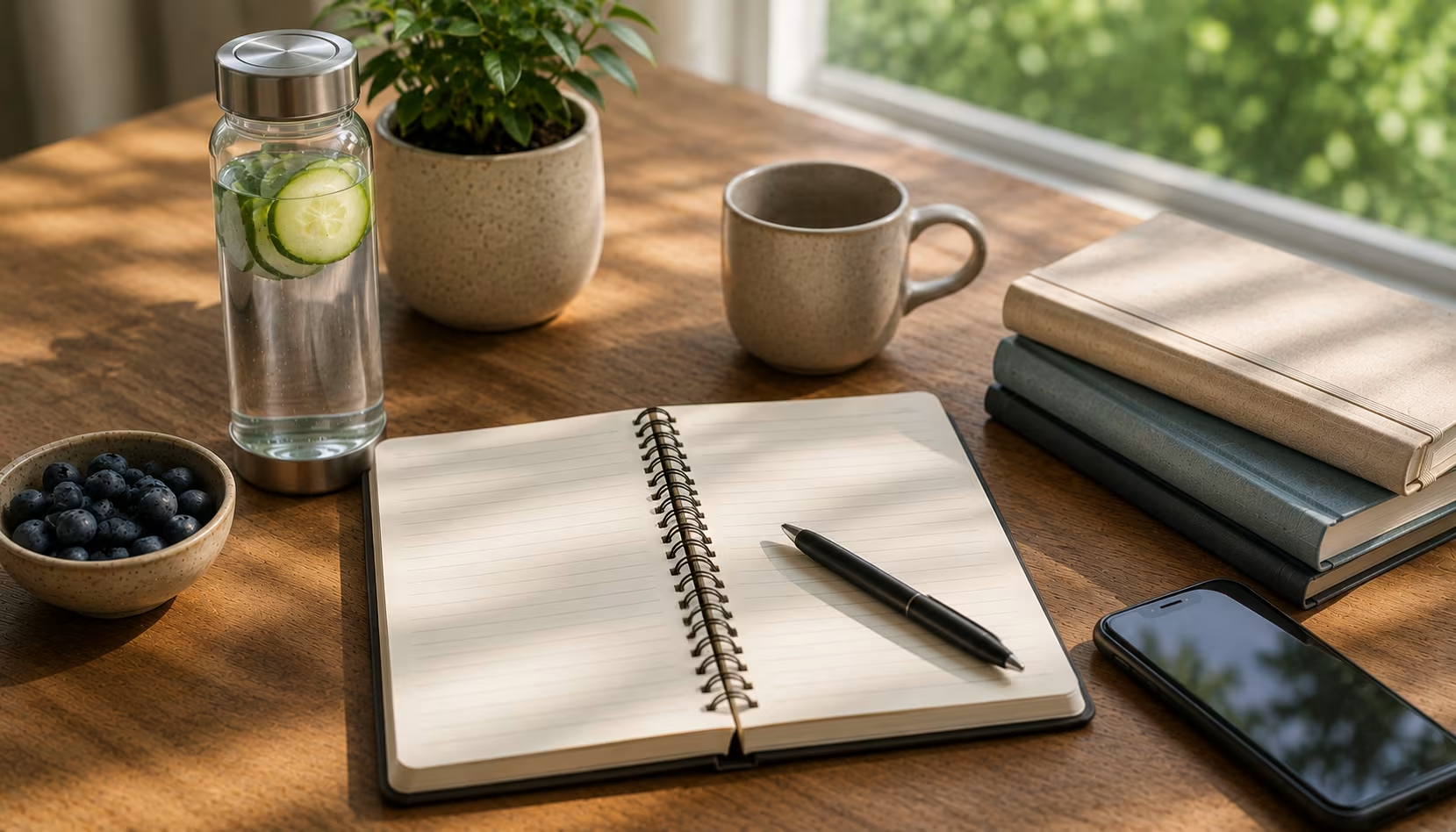
Specific populations who often benefit from deliberate hydration habits.
People who have been chronically underhydrated
Some people have built lifelong patterns of low fluid intake. Their bodies have adapted to function on less, but the adaptation has costs. For these people, deliberately increasing water intake to normal levels often produces real improvements in energy, headaches, skin, and digestive function.
Older adults
As thirst response weakens with age, deliberate hydration matters more. Tracking or scheduled drinking can compensate for the reduced reliability of thirst signals.
Athletes during heavy training
Particularly endurance athletes in hot conditions, where sweat losses can be substantial and performance suffers from inadequate replacement. Tracking sweat losses through weight changes and replacing accordingly is more reliable than thirst.
People taking certain medications
Diuretics, lithium, certain antihistamines and others affect fluid balance. Deliberate attention to hydration may be needed.
People with kidney stones history
Adequate hydration reduces stone recurrence risk. Tracking can support consistent intake.
Workers in hot environments
Construction, agriculture, kitchen work, military operations in heat — all situations where deliberate hydration prevents heat illness.
People who travel frequently
Air travel produces dehydration that thirst doesn't fully signal. Deliberate hydration around travel helps.
People with chronic headaches that may be hydration-related
Some chronic headaches respond to consistent hydration; tracking can identify whether this is contributing to your pattern.
For these populations, hydration habits and possibly tracking are genuinely useful. The investment in a habit produces real benefits.
Who probably doesn't
For other populations, hydration tracking is largely unnecessary.
Healthy adults with normal thirst response
The body's signaling handles fluid balance. Adding tracking on top doesn't improve outcomes.
People who already feel well-hydrated
If urine is pale yellow and you don't notice symptoms of dehydration, you're hydrated. More tracking won't make you more hydrated.
People who already drink water regularly
A habit of having water available and drinking when thirsty doesn't need elaboration.
People in temperate climates with sedentary jobs
Fluid losses are modest. Normal eating and casual drinking maintain hydration.
For these populations, hydration tracking is more about tracking than hydration. It can become its own preoccupation, with anxiety about meeting daily targets that don't actually matter for any health outcome.
The wellness culture's framing of hydration as a constant optimization project produces unnecessary anxiety in people whose bodies are handling things fine. The "have you had your water today?" framing implies a project that most people don't need.
How hydration cues work
For people who do benefit from hydration habits, the mechanism is usually behavioral rather than physiological. The cues that prompt drinking matter.
Visible water
A glass or bottle in your line of sight while working substantially increases water intake compared to water that's out of sight. The visual cue prompts the behavior.
Available water
Water requires no preparation, no walking to get it, no decision-making — these factors increase consumption.
Routine drinking moments
Water with each meal, water upon waking, water after coffee — attaching drinking to existing routines builds the habit.
Container size
Larger containers mean fewer refill trips required to consume a given amount. The friction of refilling is one of the things that limits casual hydration. Larger bottles reduce this friction.
Timer reminders
Apps or actual timers that remind you to drink can work for people who genuinely forget. The reminder is the cue.
Cold water
Many people find cold water more appealing than room-temperature water. If having ice water available increases your consumption, that's useful behavioral design.
Flavor
Some people drink more water when it has a hint of flavor (lemon, cucumber, mint). Plain water doesn't have to be the only option.
Trigger pairing
"After every email, take a sip" or "every time I get up from my desk, take a sip" creates behavioral patterns that increase intake.
The principle: hydration habits are about creating cues that prompt the behavior of drinking. The water itself isn't doing anything special; the structure that ensures you actually drink it is.
For someone wanting to drink more water without the elaborate apparatus, the simplest interventions are: keep water visible at your work area, drink a glass with each meal, and refill the container as soon as you finish it. This produces adequate hydration for most people without requiring tracking.
Building a sustainable hydration habit
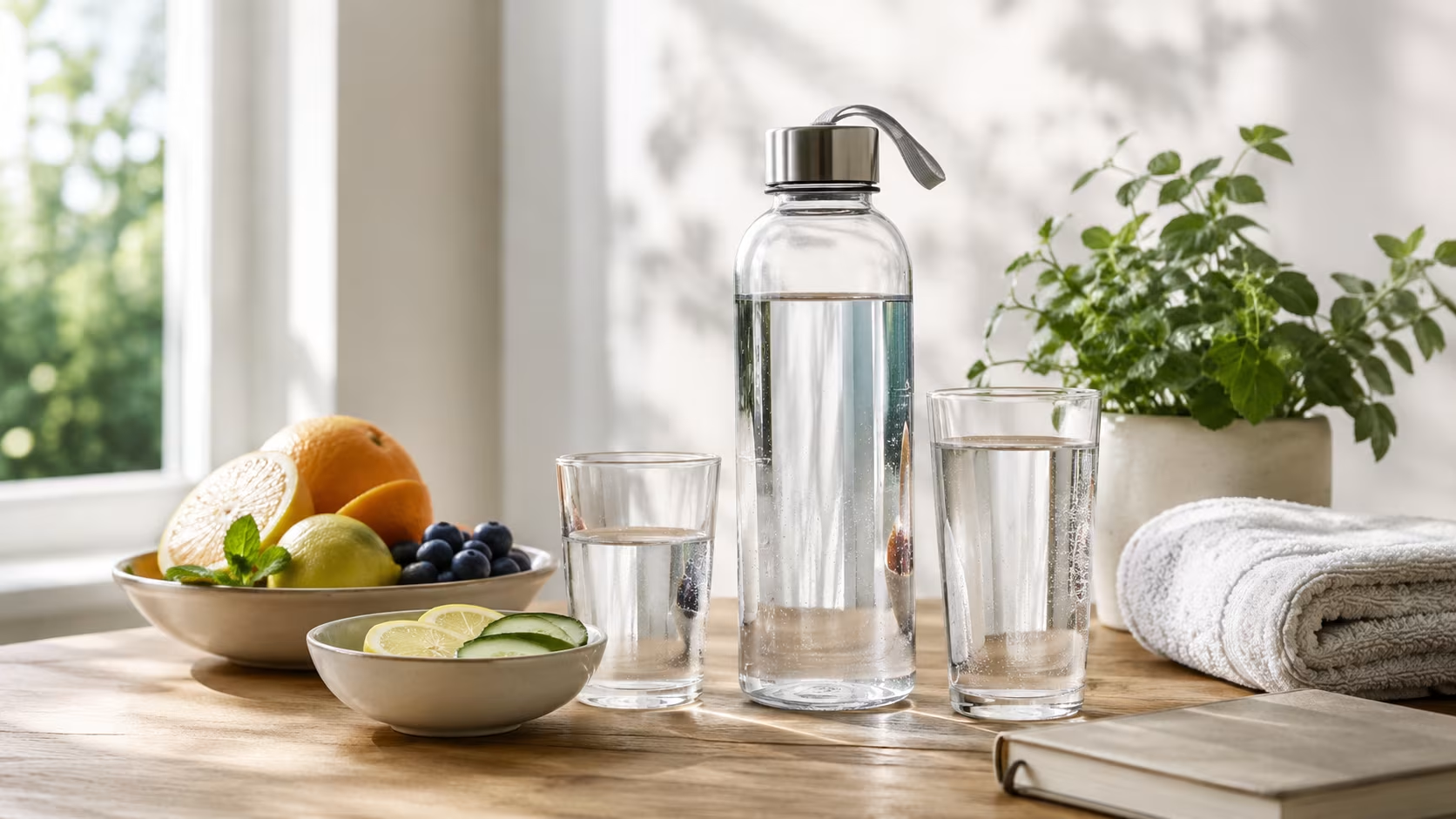
For people who want to deliberately increase water intake, several practical strategies work.
Start where you are
Note your current intake for a few days. Set a modest increase target (e.g., add one glass per day for a week, then another).
Attach to existing habits
Water with morning coffee. Water with each meal. Water at predictable break times during work.
Make it visible
Have water in your line of sight while working. The visual cue does most of the work.
Make it accessible
Don't require getting up and walking to drink. Have it on the desk, in the car, in the meeting.
Use a container you like
A bottle or glass you enjoy using promotes use. An ugly cheap bottle that lives in a cupboard doesn't.
Pair with bathroom breaks
Use bathroom breaks (which result from drinking) as cues for refilling. The cycle reinforces itself.
Track briefly to establish baseline
A week or two of tracking can identify whether your current hydration is adequate. Once established, ongoing tracking is unnecessary.
Listen to your body
Pale yellow urine and absence of dehydration symptoms are the markers of success. If you're meeting these markers, you're adequately hydrated regardless of what any tracker says.
Don't overdo it
As discussed in the broader hydration article, drinking far more than needed is wasteful and in extreme cases harmful. The "more is always better" framing is wrong.
For most adults, 6 to 8 cups of fluid per day from all sources (water plus other beverages) plus normal eating provides adequate hydration. The dramatic targets of "drink half your body weight in ounces" or "drink a gallon a day" exceed what most people need.
What the giant water bottles actually do
The trend toward large water bottles (32 to 64 ounces, often with hourly time markers) emerged from the wellness culture's hydration emphasis. The bottles do something practical for some users.
For people who needed reminders
The visible large container in your space prompts drinking that wouldn't happen otherwise. For someone who has historically been chronically underhydrated, this can produce real change.
For convenience
A larger container requires fewer refills, which reduces the friction of drinking adequately during a work day.
For specific use cases
Athletes during long training sessions, hikers, anyone who needs to carry adequate water for an extended period without refill access.
For tracking
The hourly time markers visible on some bottles help users know whether they're on pace for their daily target.
What the bottles don't do:
Make the water more hydrating
The water in a fancy bottle is the same as the water from a tap.
Substitute for actually drinking
Buying the bottle without using it produces no hydration benefit. The drinking is what matters.
Indicate adequate hydration
A bottle that holds 64 ounces doesn't mean you need 64 ounces. Drinking the contents of a bottle that's larger than your needs leads to overhydration.
Solve other wellness problems
The bottle is a hydration tool, not a wellness solution. The marketing sometimes implies broader benefits.
For people who would otherwise underhydrate, a visible bottle is useful behavioral design. For people who already hydrate adequately, the bottle is fashion rather than function.
The recent popularity of certain branded bottles (Stanley, Owala, Hydro Flask) is more about social signaling than hydration outcomes. The bottle is functional but the brand premium isn't producing additional health benefit.
Tracking apps: useful or noise
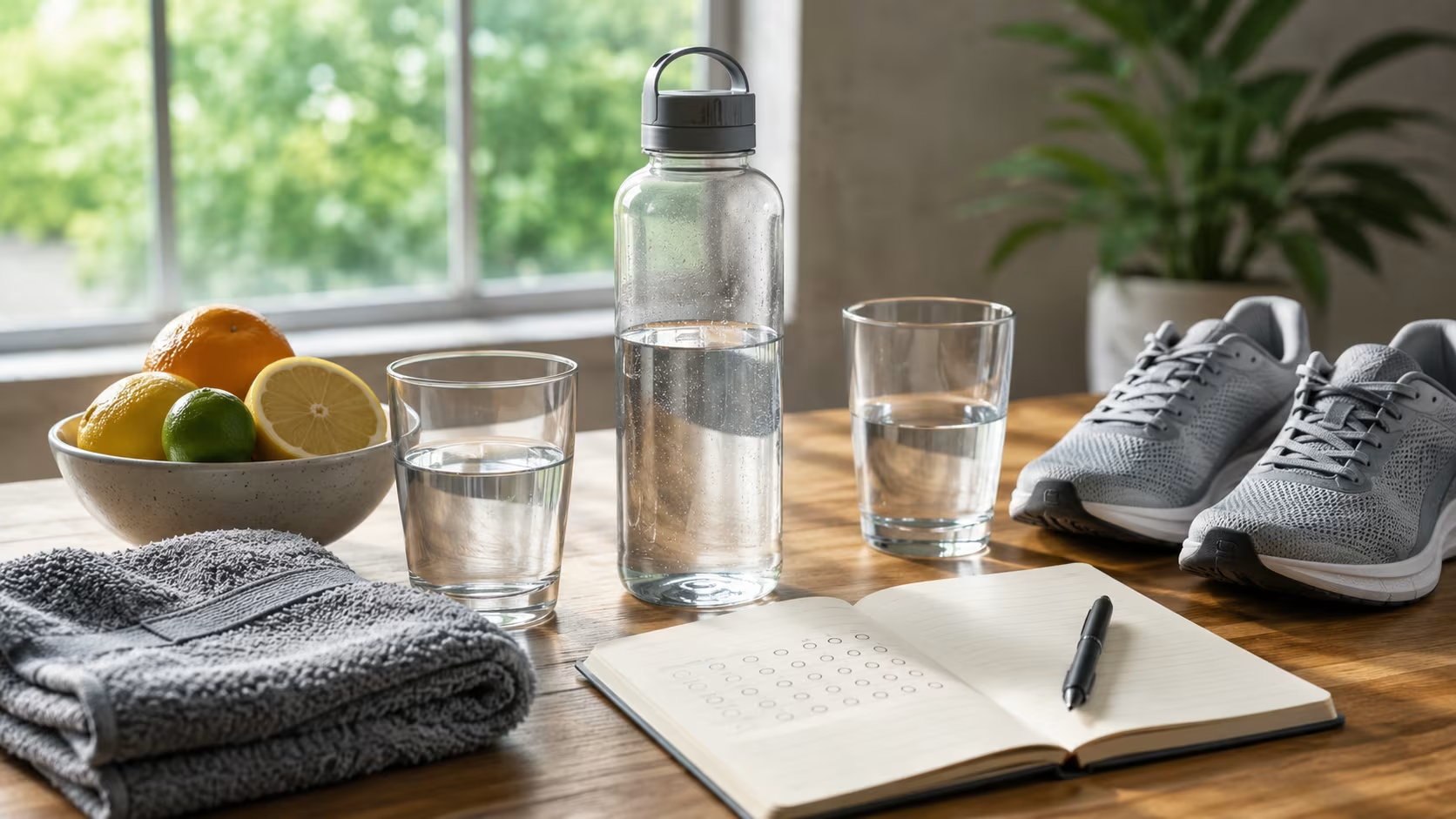
Hydration tracking apps log water intake and often provide reminders, daily totals, and trend analysis.
For people who genuinely benefit from hydration tracking (the populations identified earlier), apps can be useful tools. The tracking provides objective feedback, the reminders prompt behavior, and the trend information shows patterns.
For people who don't need tracking, apps add cognitive overhead without proportional benefit. The act of opening an app to log a glass of water consumes mental energy that the actual hydration benefit doesn't justify.
Several issues with hydration tracking apps:
Inflation of intake
People often round up or add intake they haven't actually had, which makes the tracking inaccurate.
Anxiety from missed targets
The app's daily target becomes a source of stress when it isn't met, even though missing the target doesn't matter for any outcome.
Tracking as substitute for action
Some people track meticulously without actually changing intake. The tracking becomes the activity.
Battery and notification fatigue
Apps that send hourly reminders contribute to the general overload of digital signals competing for attention.
Privacy considerations
Some apps collect data and share it in ways users don't necessarily want.
For people who want some structure without an app, simple analog approaches work. Filling a specific bottle at the start of the day and finishing it during the day. Marking lines on a bottle for hourly intake. Drinking a glass with each meal as a reliable structure.
The simpler the tracking, the more sustainable it tends to be. Elaborate app-based tracking often gets abandoned within weeks; simple visible structures can persist for years.
Realistic expectations
The wellness industry's framing of hydration often overpromises.
What adequate hydration does:
Maintains normal physiological function. The kidneys, brain, muscles, and other systems all function appropriately.
Prevents the symptoms of dehydration (headache, fatigue, reduced cognitive function, constipation in some cases).
Supports normal exercise tolerance.
Supports normal skin function (very modestly — most skin appearance is determined by other factors).
What adequate hydration doesn't do:
Produce dramatic energy or wellness improvements in already-hydrated people.
Significantly support weight loss (the "drink more water to lose weight" framing has weak evidence).
"Flush out toxins" (the body's detoxification systems don't work this way).
Transform skin appearance dramatically (genetics, sun exposure, sleep, and other factors matter more).
Prevent illness through "boosting" anything.
Replace the need for adequate sleep, exercise, or nutrition.
For someone considering whether to invest in hydration tracking, the question is whether you're currently adequately hydrated. If yes, tracking won't add much. If no, addressing the underdrinking will help and tracking may be a useful tool for that.
The bigger principle: hydration is one variable among many. Optimizing it doesn't compensate for problems elsewhere. A well-hydrated person who sleeps poorly, eats badly, and doesn't exercise isn't healthier than a moderately-hydrated person who handles those other variables well.
For most healthy adults, the right level of attention to hydration is: keep water available, drink when thirsty, notice if you're producing pale yellow urine through the day, and don't worry about it beyond that. The wellness industry's elaborate hydration regimens aren't necessary and often aren't useful.
Sources
Valtin, H. (2002). "Drink at least eight glasses of water a day." Really? Is there scientific evidence for "8×8"? American Journal of Physiology - Regulatory, Integrative and Comparative Physiology, 283(5), R993–R1004.
Sawka, M. N., Burke, L. M., Eichner, E. R., Maughan, R. J., Montain, S. J., & Stachenfeld, N. S. (2007). American College of Sports Medicine position stand: Exercise and fluid replacement. Medicine & Science in Sports & Exercise, 39(2), 377–390.
Institute of Medicine. (2005). Dietary Reference Intakes for Water, Potassium, Sodium, Chloride, and Sulfate. National Academies Press.
Cheuvront, S. N., & Kenefick, R. W. (2014). Dehydration: physiology, assessment, and performance effects. Comprehensive Physiology, 4(1), 257–285.
Kenney, W. L., & Chiu, P. (2001). Influence of age on thirst and fluid intake. Medicine & Science in Sports & Exercise, 33(9), 1524–1532.
Roussel, R., Fezeu, L., Bouby, N., Balkau, B., Lantieri, O., Alhenc-Gelas, F., Marre, M., & Bankir, L. (2011). Low water intake and risk for new-onset hyperglycemia. Diabetes Care, 34(12), 2551–2554.
Frequently Asked Questions
Do I need a water tracking app?
Probably not, if you're already adequately hydrated. The body's thirst mechanism handles fluid balance well for most healthy adults. Tracking can be useful for people who have specifically identified that they're chronically underhydrated, for athletes during heavy training, or for older adults whose thirst response is blunted.
What about those big motivational water bottles?
They work for some people as cues that increase water intake. They don't add anything mystical to the water. If having a 64-ounce bottle visible makes you drink more, that's useful behavioral design. If you forget about it, the bottle isn't doing anything.
How often should I refill my water through the day?
Whenever you finish what you have, or whenever you're thirsty. There's no benefit to drinking on a fixed schedule beyond what your body's signals support.
Should I drink water first thing in the morning?
It's reasonable. You haven't had fluid in 8+ hours, so some morning rehydration makes sense. The dramatic claims about morning water 'starting metabolism' or 'flushing toxins' aren't supported. A glass of water with breakfast is sufficient for most people.


0 Comments
Leave a comment
Your email won't be published. Required fields are marked with *.
Your name, email address and comment are processed to publish and reply to the comment; your email address is never published. Details: Privacy Notice.